Automotive safety checklist: Essential Safety Checks to Keep Your Car Healthy
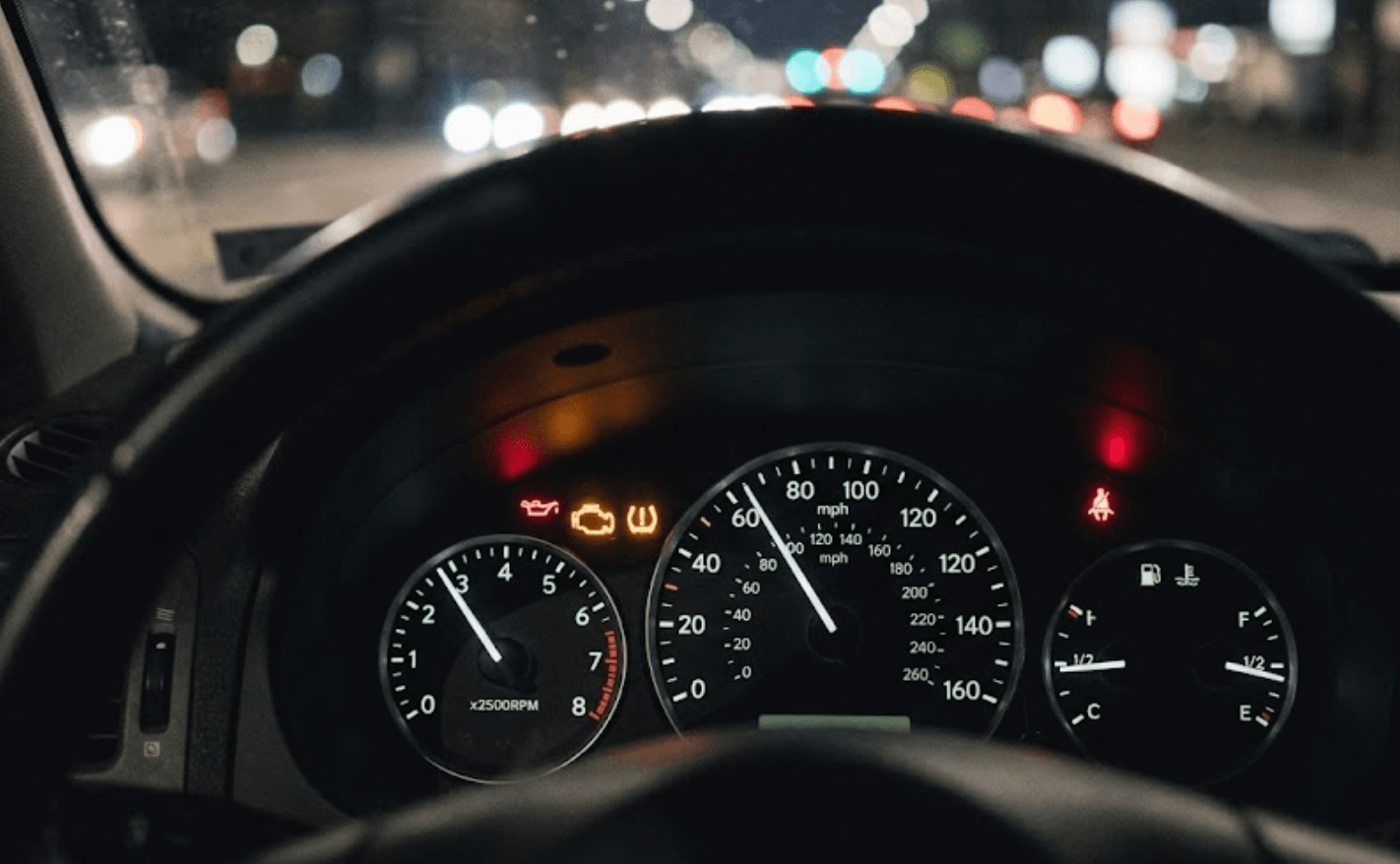
Regular car safety checks help you spot small problems before they turn into breakdowns, repair bills or unsafe driving conditions. Low fluids, worn tyres and weak brakes can all affect how your car performs, often before there’s an obvious warning light. With a consistent automotive safety checklist, you can catch these signs early.
This guide covers the key areas to include in a practical safety checklist for car maintenance that you can follow at home. You’ll learn what to check, how often to check it and the common warning signs to look for between services.
Why regular vehicle checking matters
Consistency is the difference between routine maintenance and expensive failure.
Prevention is always cheaper than repair
Low coolant is quick to top up. Ignore it, and overheating can lead to major engine damage. A tyre with low pressure wears faster and handles poorly in wet conditions.
These issues take minutes to identify and rectify. Left unchecked, they can leave you stranded or facing high repair costs. A structured car safety checklist reduces that risk considerably.
Malaysia's conditions demand more frequent checks
Heat, humidity and stop-start traffic in Kuala Lumpur, Penang, and Johor Bahru put extra stress on fluids, tyres and brakes.
Service intervals are often based on milder climates. In Malaysia, more frequent checks are a practical adjustment to maintain car safety.
Fluid checks: The foundation of car safety
Fluids are central to any automotive safety checklist. They control heat, reduce friction and protect key components.
Engine oil: level and condition
Engine oil is critical to engine health and reliability. Check this monthly or every 1,000 km.
Use the dipstick to confirm the level sits between MIN and MAX. Fresh oil appears amber. Very low oil, a burnt smell, sludge, metal particles or milky oil may indicate a problem. Low or degraded oil is a common cause of avoidable engine wear and damage.
Coolant: level and condition
Check this monthly using the reservoir markings. Never open the radiator cap or coolant reservoir cap when the engine is hot or pressurised.
Low coolant is a leading cause of overheating, especially in Malaysia’s climate. Discoloured fluid may require a flush, yet it is important to note that while colour can help identify contamination, coolant type should not be judged on that alone.
Brake fluid: level and clarity
Check this every three months. The fluid should sit within the marked range and appear clear. Low brake fluid may indicate worn pads or a leak, so it should not just be topped up without checking.
Brake fluid absorbs moisture over time, reducing performance. Dark or cloudy fluid should be replaced. Motul brake fluids are engineered for consistent braking reliability.
Power steering fluid: level and appearance
If your vehicle has hydraulic power steering, inspect it every three months. A whining sound when turning often signals low fluid.
Pay attention to both the fluid level and colour. Dark or contaminated fluid requires replacement.
Windscreen washer fluid
Top it up monthly. Washer fluid helps clean more effectively and reduces odour or residue build-up in the reservoir.
Tyre checks
Tyres directly influence handling, braking and efficiency. They are a key part of any safety checklist for car maintenance.
Tyre pressure
Inspect tyre pressure monthly and before long drives. Incorrect pressure reduces grip, affects braking performance and increases tyre wear.
Take readings when the tyres are cold and follow the manufacturer’s recommended pressure levels. Malaysia’s heat causes pressure fluctuations, making regular checks essential.
Tread depth
The legal minimum tread depth in Malaysia is 1.6 mm, but wet-weather grip and braking performance begin to decline well before that point. Replacing tyres before they drop below 3 mm helps maintain better traction and overall car safety.
Use a tread gauge or inspect the built-in wear indicators across each tyre. Uneven wear can also point to alignment or suspension issues that may need attention.
Tyre condition and sidewalls
Check for cracking, bulging or embedded objects. A bulge indicates structural damage and requires immediate replacement.
Brake system checks
Braking performance is central to car safety.
Brake pad wear
Check pad thickness where visible. Less than 3 mm means a replacement is due.
A high-pitched squeal during braking is a wear indicator and should not be ignored.
Brake performance feel
The brake pedal should feel firm and consistent. Sponginess, vibration or pulling indicates the need for inspection.
Lights and visibility
A quick monthly check supports safe driving and avoids unnecessary risk.
Headlights, brake lights and indicators
Check all external lights, including high and low beams, indicators and reverse lights. Use reflections or assistance to confirm operation.
Wiper condition
The UV-intense climate of Malaysia means wipers degrade faster, while also making clear visibility essential. Wipers should be replaced if they streak or chatter.
How often should you carry out safety checks?
| Check | Frequency |
| Engine oil level | Monthly / every 1,000 km |
| Coolant level | Monthly |
| Tyre pressure | Monthly / before long drives |
| Brake fluid | Every three months |
| Power steering fluid | Every three months |
| Tyre tread and condition | Every three months |
| Wiper condition | Every six months |
| All lights | Monthly |
| Full fluid flush/service | Per manufacturer's schedule |
Why Motul keeps every system protected
Motul approaches car safety as a complete system, not a single product category.
A complete range for every check on this list
From engine oil to coolant and brake fluid, Motul develops precision formulations for every critical system. Each product is engineered to reduce friction and maintain performance.
Trusted from motorsport to the Malaysian daily drive
Motul’s technology is validated in demanding conditions and applied to everyday driving. This ensures consistent performance for Malaysian drivers across all environments.
Frequently Asked Questions
How often should I check my car's fluids?
Most fluids should be checked monthly, with some systems reviewed every three months depending on usage.
What is the most important safety check I can do myself?
Engine oil level and tyre pressure are both high priorities when it comes to immediate car safety.
Can I carry out all these checks without going to a workshop?
Yes. This automotive safety checklist is designed for home use. Seek professional help if you notice irregularities.
What happens if I neglect regular vehicle checks?
Small issues can escalate into major failures, increasing repair costs and reducing safety.
Which Motul products should I keep at home for top-ups?
Engine oil, coolant and washer fluid are the most practical essentials for routine vehicle checking.