Can Engine Oil Go Bad? Shelf Life, Storage Tips & Risks
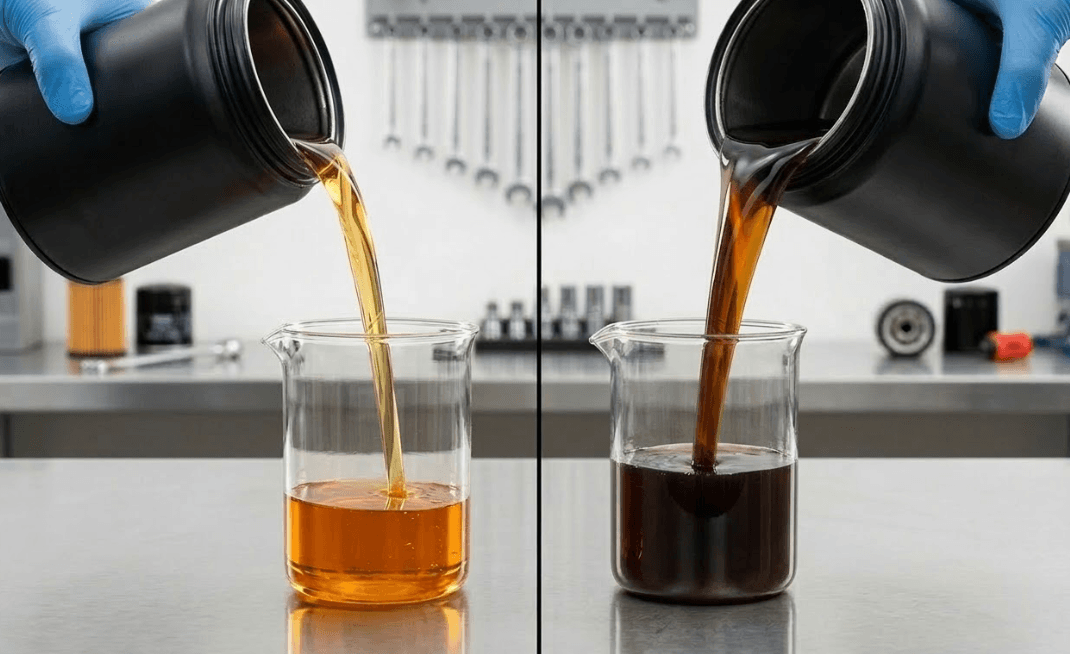
Yes—engine oil can go bad. Time, exposure and storage conditions all affect how well oil can protect your vehicle, even if it’s never been poured into an engine. Using fresh, stable oil is critical to keeping your engine smooth, quiet and properly protected, especially in Malaysia’s hot, humid climate.
If you’ve ever found a half-used bottle in your garage and wondered whether it’s still safe, you’re not alone. Understanding shelf life helps you avoid risking engine performance for the sake of saving a bottle.
Does engine oil expire?
Does car engine oil expire? In short, yes. Both synthetic and conventional oils slowly degrade over time due to chemical reactions within the oil and its additives.
Most manufacturers—including premium brands—state that engine oil typically lasts up to five years if it remains sealed and stored correctly. After that, performance can no longer be guaranteed.
Opened vs. unopened oil
Unopened oil lasts significantly longer because it hasn’t been exposed to oxygen or moisture. Once a bottle is opened, oxidation begins immediately. Even if the cap is put back on, air and humidity can enter, accelerating degradation. That’s why opened oil should ideally be used within a year.
Storage conditions that affect shelf life
Heat, light, humidity and contaminants all shorten oil life. In Malaysia’s tropical climate, poor storage can cause oil to degrade faster than expected. To protect it, store oil in a cool, dark, dry place, away from direct sunlight and temperature extremes.
How to tell if your engine oil has gone bad
Before pouring stored oil into your engine, take a moment to inspect it. There are several clear warning signs that oil is no longer usable.
Separation or cloudiness
Fresh oil should look uniform. If it appears cloudy, milky or separated into layers, moisture or chemical breakdown has occurred.
Change in smell
Oil that smells sour, burnt or rancid has likely oxidised. That smell indicates it’s no longer providing proper protection.
Sludge or thickened texture
If the oil feels sticky, stringy or leaves thick residue, it has degraded. This type of oil won’t flow correctly through the engine and should never be used.
What happens if you use expired engine oil?
Using expired oil is a false economy. While it may look acceptable at first glance, degraded oil simply cannot do its job properly.
Loss of viscosity and additive performance
As oil ages, its viscosity becomes unstable and its additives break down. This means weaker lubrication, reduced heat control and poor contaminant handling.
Potential for engine damage over time
Without proper protection, metal components rub together more aggressively. Over time, this leads to increased wear, overheating and potentially expensive engine repairs—especially in stop-start urban driving.
How to store engine oil correctly
Whether you’re a DIY driver or working in the industry, correct storage makes a real difference.
Best containers and sealing tips
Always keep oil in its original container and reseal it tightly after use. Avoid transferring oil into unlabelled or non-airtight containers, which can introduce dirt and moisture.
Ideal storage environments
Store oil between 10°C and 25°C, away from sunlight and humidity. In Malaysian conditions, avoid leaving oil in sheds, car boots or near heat sources where temperatures fluctuate.
How Motul ensures oil stability
Motul designs its oil with long-term stability in mind—both inside the engine and on the shelf.
High-performance additives and base oils
Motul formulations use advanced base oils and additive packages engineered to resist oxidation and breakdown. This means slower degradation and more reliable protection when the oil is fresh and correctly stored.
Packaging designed to protect integrity
Motul packaging is designed to minimise light exposure and air ingress, helping maintain oil quality from production to the moment you open the bottle.
>> Tap into Motul’s lubrication expertise and find the ideal engine oil for your car
When to replace stored oil
General shelf life expectations
So exactly when does engine oil go bad?
- Sealed oil: Up to five years if stored correctly
- Opened oil: Ideally use within 12 months
- Poorly stored oil: Replace sooner, regardless of age
When in doubt, replace
If oil shows any change in smell, colour or consistency, don’t take the risk. Fresh oil is far cheaper than engine repairs—and the peace of mind is worth the small, smart expense.
Frequently Asked Questions
Can engine oil expire if never opened?
Yes. Even sealed oil slowly degrades over time.
Does synthetic oil last longer than conventional?
Generally yes, but it still had a shelf life and storage limits.
Can I mix old and new engine oil?
Not recommended—especially if the older oil may be degraded.
Can bad oil cause engine failure?
Over time, yes. Poor lubrication accelerates wear and heat damage.
How do I dispose of expired engine oil?
Take it to an authorised recycling centre or workshop—never pour it down drains or onto the ground.