How to Choose the Right Coolant for Your Car
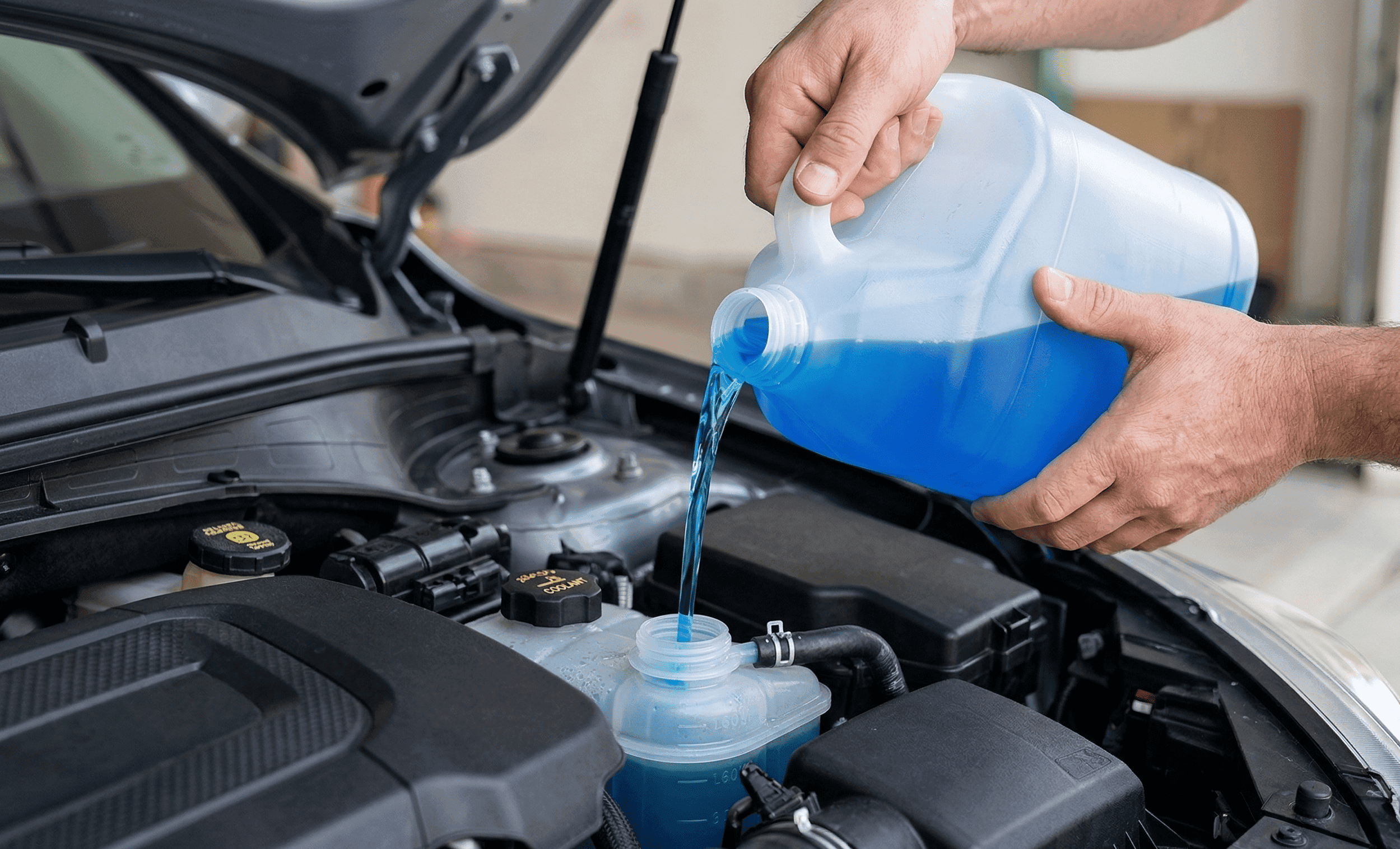
Engine coolant plays a direct role in how your vehicle performs under heat. It controls temperature, protects internal components, and helps maintain consistent operation in daily driving conditions.
When asking ‘what coolant for my car’, the answer depends on much more than simply colour. Using the correct specification is essential for preventing overheating, reducing wear and avoiding long-term engine damage.
Our general guide to choosing the right coolant will help ensure your engine runs at a stable temperature, with a smooth, controlled feel even in Malaysia’s stop-start traffic and high ambient temperatures. And remember, it is always worthwhile checking your owner’s manual—exact requirements vary by vehicle, system and manufacturer.
Explore Motul products to find coolant solutions designed for your vehicle.
What does engine coolant do?
Coolant is responsible for managing heat and protecting the engine from internal damage. It operates continuously as the engine runs, circulating through the cooling system. It is important to remember that coolant should be chosen by required specification and manufacturer approval, not by colour.
Cooling and heat transfer
As the engine runs, it generates heat. Coolant absorbs this heat and carries it away from critical components. It then flows to the radiator, where the heat is released before the fluid recirculates.
This process keeps the engine temperature stable. You can hear and feel the difference when the system is working correctly. The engine runs smoothly, without strain or excessive fan noise under load.
Corrosion protection
Coolant contains additives that protect internal metal surfaces.
These additives form a protective layer over components such as aluminium and steel, reducing the risk of rust and corrosion.
Without this protection, corrosion can build up inside the cooling system. This restricts flow, reduces efficiency, and can lead to costly repairs.
What coolant does my car need?
It comes back to that question: ‘What coolant for my car?’ Well, coolant requirements vary depending on the vehicle manufacturer, engine design and materials used in the cooling system.
Check your owner’s manual
Your owner’s manual provides the exact coolant specification required for your vehicle. This includes:
- Approved coolant type
- Compatibility requirements
- Service intervals
Using the correct specification ensures proper protection and performance.
Use a vehicle-specific coolant finder
A coolant finder tool or manufacturer guide can help identify the correct product for your specific make and model.
This reduces the risk of using incompatible fluid and ensures the system operates as intended.
See our Motul oil and coolant recommendations based on your vehicle.
Different types of engine coolant
Understanding coolant technology is more reliable than assessing colour, which can vary between manufacturers and does not always indicate compatibility.
Inorganic additive technology coolant
Inorganic additive technology, or IAT coolant, is commonly used in older vehicles.
It provides basic corrosion protection but has a shorter service life. It typically requires more frequent replacement to maintain effectiveness.
Organic acid technology coolant
Organic acid technology, or OAT coolant, is used in many modern vehicles.
It offers:
- Longer service intervals
- Improved corrosion resistance
- More stable performance over time
This type of coolant is designed for extended protection and consistent operation.
Hybrid organic acid technology coolant
Hybrid organic acid technology, or HOAT coolant, combines elements of both IAT and OAT. It provides:
- Enhanced corrosion protection
- Broader material compatibility
- Reliable long-term performance
Many modern engines use HOAT formulations to balance protection and durability.
It is important to remember these coolants are not interchangeable—always refer to your owner’s manual for specifications.
How much coolant does a car need?
Understanding how much coolant a car needs helps ensure the system operates correctly without overfilling or running low.
Typical coolant capacity ranges
Most passenger vehicles require between 5-12 litres of coolant.
The exact capacity depends on:
- Engine size
- Cooling system design
- Vehicle type
Larger engines and performance vehicles typically require more coolant to manage higher heat output.
Checking coolant levels correctly
Check coolant levels using the expansion tank.
Always do this when the engine is cool. Opening the system when hot can cause pressure release and fluid loss.
The fluid level should sit between the minimum and maximum markers.
A low level may affect temperature control. You may notice the engine running hotter or the cooling fan operating more frequently.
When should coolant be replaced?
Coolant degrades over time. Its protective properties weaken, reducing its ability to manage heat and prevent corrosion.
Signs your coolant may need changing
You may need to replace coolant if you notice:
- Engine running hotter than normal
- Rusty or discoloured coolant
- Visible debris in the coolant reservoir
- Unusual smells or residue
These signs indicate contamination or breakdown of additives.
Recommended coolant service intervals
Coolant replacement intervals typically range from 2-5 years.
The exact timing depends on:
- Coolant type
- Manufacturer guidelines
- Driving conditions
In hot climates like Malaysia, maintaining proper intervals helps ensure consistent temperature control.
Why using high quality coolant matters
Coolant quality directly affects engine reliability and performance.
Advanced coolant formulations
Modern coolants are engineered to:
- Maintain stable operating temperatures
- Resist thermal breakdown
- Protect against corrosion and deposits
- Support consistent heat transfer
This helps the engine run smoothly, even under sustained load and high ambient temperatures.
Motul coolant technology
Motul develops coolant formulations designed for both everyday driving and demanding conditions.
These fluids are tested to maintain performance under heat, pressure and long service intervals.
Discover the Motul range to find coolant solutions developed with a focus on reliability and protection.
Why choose Motul coolant for your car
Motul is a trusted global brand with a long history in fluid engineering.
The focus remains on consistent temperature control, material compatibility and long-term engine protection.
Frequently Asked Questions
Can I mix different types of coolant
Mixing different coolant types is not recommended. It can reduce effectiveness and cause chemical reactions that affect performance.
What happens if I use the wrong coolant
Using the wrong coolant can lead to overheating, corrosion and reduced system efficiency.
How often should I check coolant levels
Check coolant levels regularly, especially before long drives or in high temperature conditions. Always refer to your owner’s manual for specific details.
Can I top up coolant with water
In an emergency, water can be used temporarily. However, it should be replaced with the correct coolant mixture as soon as possible.
How do I know if my car is low on coolant
A low coolant level may trigger a warning light or cause the engine to run hotter. You may also hear the cooling system working harder than usual.