How to Flush Your Vehicle Coolant
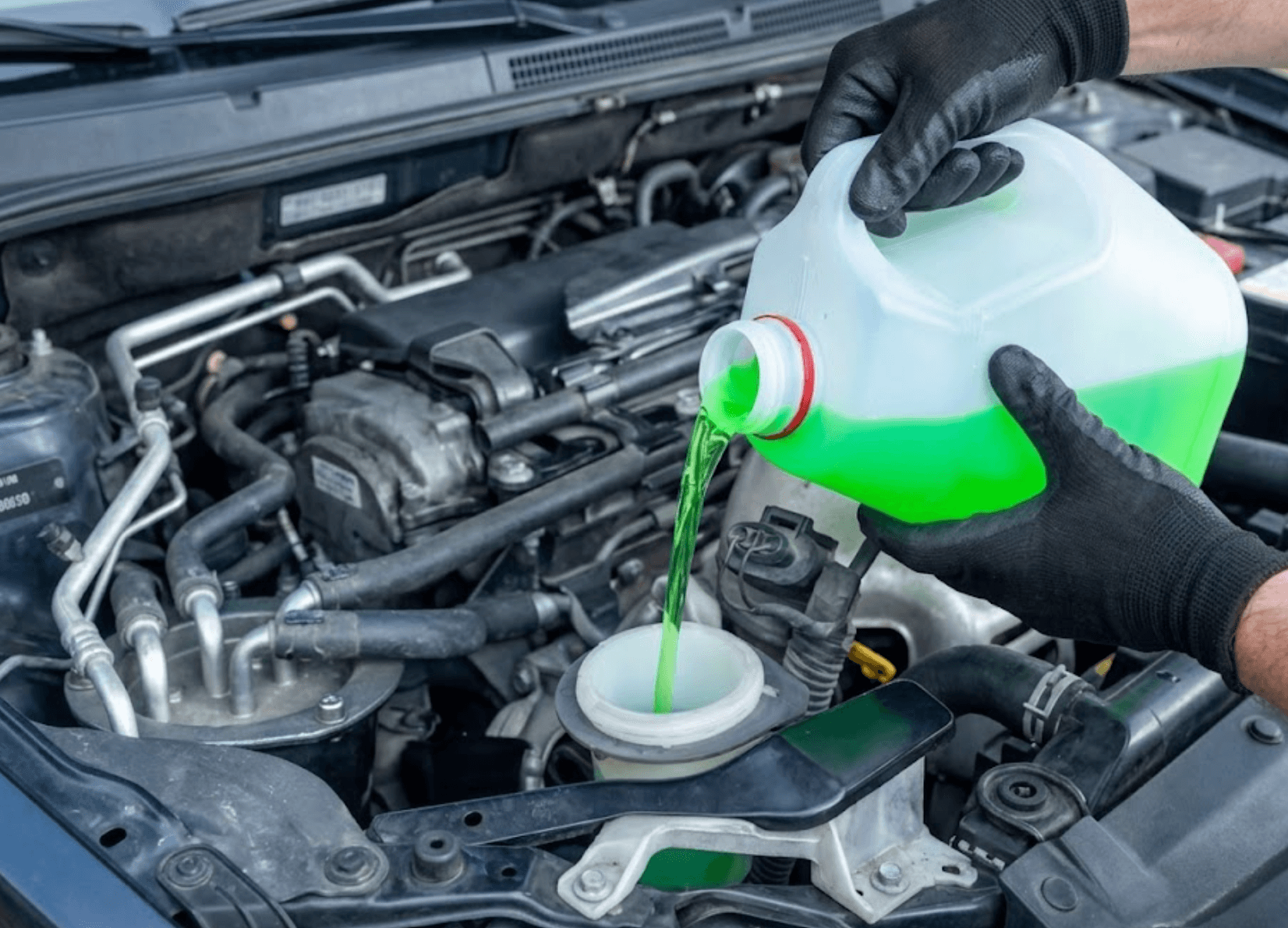
A coolant flush is an essential part of maintaining your vehicle’s cooling system. Over time, coolant breaks down and becomes contaminated, reducing its ability to control temperature and protect internal components.
If you delay flushing coolant, you may begin to notice changes in how your engine performs. Temperature may rise more quickly, cooling fans may run more often and the engine may feel less stable under load.
Our general guide to knowing how to flush coolant system components correctly will help you restore efficiency, remove harmful deposits and maintain reliable engine operation in Malaysia’s high heat and humidity. It is of course helpful to always refer back to your owner’s manual, as exact processes will vary between vehicle, system and manufacturer.
You can explore products to find coolant solutions designed for long term protection.
Why coolant flushing is important
Coolant does more than regulate temperature. It also protects the internal surfaces of the cooling system.
Removing contaminants and debris
As coolant ages, it collects:
- Rust particles
- Mineral deposits
- Scale and debris
These contaminants can restrict flow through the radiator and engine passages.
You may notice reduced cooling efficiency, especially in slow traffic. The engine can feel hotter, and the cooling system may sound like it is working harder to maintain temperature.
A proper coolant flush removes these deposits and restores fluid movement through the system.
Preventing overheating and corrosion
Fresh coolant helps maintain stable engine temperatures. It also protects metal components such as aluminium and steel from corrosion.
Without regular flushing, corrosion can develop inside the system. This affects performance and may lead to leaks or components failure over time.
When should you flush your coolant system?
Regular servicing helps maintain consistent cooling performance.
Manufacturer recommended service intervals
Most vehicles require flushing coolant every 2-5 years. Refer back to your owner’s manual, as the exact interval will depend on:
- Coolant type
- Manufacturer recommendations
- Driving conditions
In Malaysia’s climate, shorter intervals can help maintain system efficiency.
Signs your coolant system may need flushing
Knowing how to drain coolant and flush the system is helpful if you notice:
- Engine temperature rising more than usual
- Rusty or discoloured coolant
- Visible debris in the reservoir
- Cooling fan running frequently
These signs indicate that the coolant is no longer performing effectively.
Tools and materials needed for a coolant flush
Using the correct equipment ensures the process is safe and effective. Always refer to your owner’s manual, as the process can vary between vehicle, system and manufacturer.
Basic tools for draining coolant
You will need:
- Drain pan
- Protective gloves
- Funnel
- Basic hand tools
- Distilled or demineralised water
Coolant should always be handled carefully and disposed of responsibly.
Choosing the right coolant
Always use the coolant specification recommended by your vehicle manufacturer.
Using the correct coolant ensures:
- Proper temperature regulation
- Compatibility with system materials
- Long term protection against corrosion
You can find your oil and coolant based on your vehicle requirements.
Step 1: Drain the coolant from your vehicle
Important: Never open the radiator cap or coolant reservoir when the engine is hot. The first step is to fully drain coolant from the system.
Locate the radiator drain valve
The drain valve or plug is usually located at the bottom of the radiator. You may need to access it from underneath the vehicle. Ensure the engine is completely cool before starting.
Drain the old coolant safely
- Place a drain pan beneath the valve
- Open the drain plug and allow the coolant to flow out completely
- Take care to avoid spills. Coolant is hazardous and should not come into contact with the ground or surrounding surfaces
As the fluid drains, you may notice discolouration or debris, indicating contamination.
Step 2: Flush the coolant system
This stage removes any remaining residue from the system.
Run clean water through the system
After you drain the coolant, close the drain plug and fill the system with distilled or demineralised water, if allowed by the manufacturer.
Start the engine and allow it to run briefly. This circulates water through the system, loosening remaining deposits.
Turn off the engine and allow it to cool before draining the water.
Repeat flushing if necessary
If the drained water appears dirty or contains debris, repeat the process.
Heavily contaminated systems may require multiple flush cycles to fully remove build-up.
A thorough coolant flush ensures that new coolant can perform effectively without interference from old deposits.
Step 3: Refill the cooling system with fresh coolant
Once the system is clean, it is ready to be refilled.
Mix coolant and distilled water if required
Some coolants require dilution with distilled water.
Follow the recommended ratio, unless otherwise detailed. Some coolants are premixed and others require dilution as specified.
Using distilled water helps prevent mineral deposits from forming inside the system. Do not mix coolant types/specifications unless the manufacturer allows it.
Bleed air from the cooling system
After refilling, start the engine and allow it to reach operating temperature.
Air trapped in the system can affect coolant circulation. Bleeding removes these air pockets.
You may hear slight changes in flow or notice bubbles in the expansion tank as air is released.
Once complete, check coolant levels and top up if necessary.
The system should now operate more smoothly, with stable temperature control and reduced strain on cooling components.
Why high quality coolant matters
Coolant quality directly affects system performance and durability.
Advanced coolant technology
High quality coolants are engineered to:
- Maintain stable temperatures under load
- Resist breakdown over time
- Prevent corrosion and deposit formation
- Support efficient heat transfer
This helps the engine run consistently, even in demanding conditions.
Motul’s coolant expertise
Motul develops coolant formulations designed for modern engines and challenging environments. These fluids are tested for thermal stability and long-term protection.
You can discover the range to select a coolant suited to your vehicle.
Why choose Motul coolant for your car
Motul is recognised globally for its expertise in fluid engineering.
From daily vehicles to performance applications, Motul coolant is developed with precision and tested under demanding conditions. The focus remains on consistent temperature control, system protection and long-term reliability.
Frequently Asked Questions
How often should coolant be flushed
As a general rule, most vehicles require a coolant flush every 2-5 years. Always follow manufacturer recommendations, and refer to your owner’s manual.
Can I flush coolant myself
Yes, with the correct tools and proper safety precautions. If unsure, professional servicing is recommended.
What happens if coolant is not flushed
Old coolant becomes contaminated and loses effectiveness. This can lead to overheating, corrosion and potential engine damage.
Can I use water instead of coolant
Water alone does not provide sufficient protection. It lacks corrosion inhibitors and has a lower boiling point.
How long does a coolant flush take
A typical coolant flush takes 1-2 hours, depending on the vehicle and condition of the system.