What Is The Difference Between Red and Green Coolant?
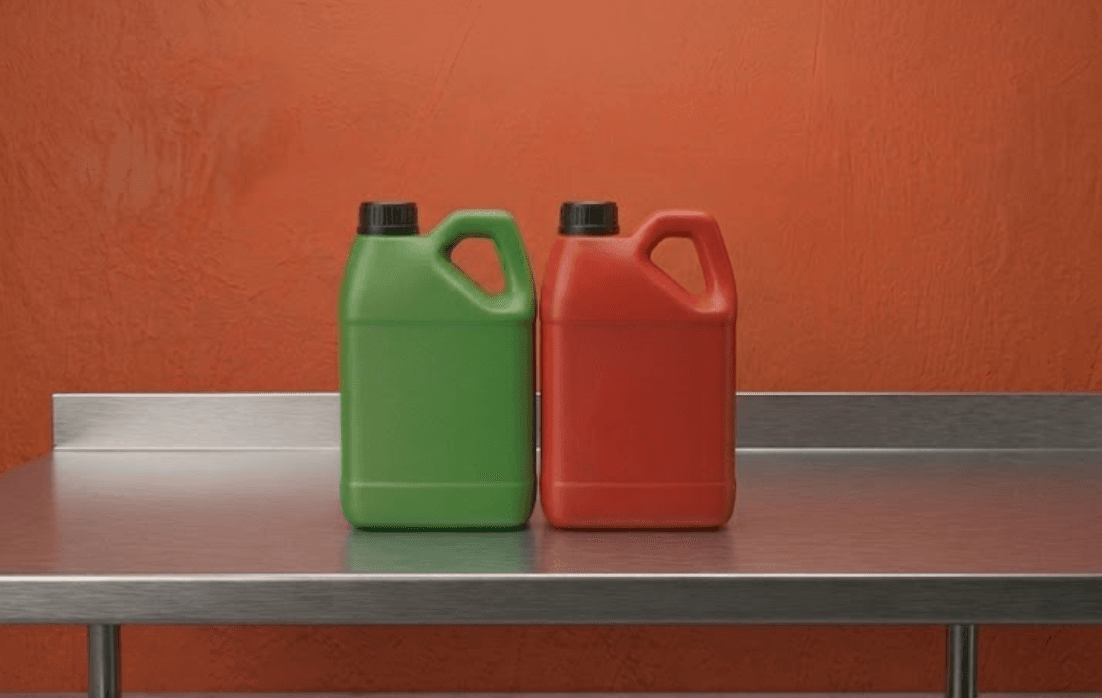
You are standing in an auto parts store, looking at row after row of coolant. There is red, and there is green. Seems like a simple choice, right? It’s not.
The difference between red and green coolant goes beyond colour. Each type uses a different chemical formulation, designed for specific engines and operating conditions. Choose incorrectly, or mix them, and you risk reduced cooling performance and internal damage.
This guide explains red v green coolant clearly, including compatibility, risks, and how to choose correctly for Malaysian driving conditions. Above all, it spells out a single key point: colour alone does not determine compatibility.
>> Explore the full Motul Coolants & Antifreezes range
Why do coolants come in different colours?
Colour is added to the coolant as a dye. It helps distinguish between formulations, but it’s not a universal standard.
Different manufacturers may use similar colours for different technologies. That’s why you should always check the specification on the label rather than relying on colour alone.
Green coolant
Green coolant is often associated with older IAT (Inorganic Additive Technology) formulations, but this is not universal. IAT contains silicates and phosphates that form a protective layer over internal metal surfaces. This protection works quickly but breaks down faster, giving it a shorter service life of around two years.
Green coolant is usually found in older vehicles, especially those with iron or steel engine components.
Red coolant
Red coolant is often associated with OAT (Organic Acid Technology) or long-life coolant, but this depends on the manufacturer. Instead of coating all surfaces, OAT reacts only where the corrosion begins. This targeted protection lasts longer, often up to five years.
Red coolant vs green coolant becomes especially relevant in modern vehicles. With automotive technology evolving, a growing number of manufacturers now specify organic acid formulations to support extended drain intervals. A product like Motul Auto Cool Optimal is engineered for these modern systems and extended protection intervals.
Red vs green coolant: Key differences
While colour alone isn’t a reliable specification of the technology, it can be a clue.
| Green (Often IAT) | Red (Often OAT) | |
| Technology | Typically Inorganic Additive | Typically Organic Acid |
| Service Life | ~2 years | Up to 5 years |
| Best For | Older iron/steel engines | Modern aluminium engines |
| Corrosion Protection | Fast-acting, short-lived | Longer-lasting organic acid protection |
| Common Vehicles | Pre-2000s vehicles | Most modern cars |
Always check the exact technology on the label to ensure compatibility.
Which is better suited to Malaysian conditions?
Malaysia’s climate places constant stress on your cooling system. High temperatures, heavy traffic and long-distance driving mean coolant must remain stable under load.
Long-life OAT or OEM-approved coolant may offer longer service intervals, but the correct choice depends on the vehicle specification, meaning when it comes to the actual winner in the ‘red vs green coolant’ debate, it is always wisest to follow your owner’s manual.
Can you mix red and green coolant?
It’s a simple question: can you mix red and green engine coolant? And it has a simple answer: no. Do not mix incompatible coolant technologies or unknown coolants. This is one of the most common and costly mistakes in basic vehicle maintenance.
If the driver does not know what coolant is already in the system, do not guess by colour. Check the owner’s manual, coolant label or ask the workshop to flush and refill with the correct specification.
What happens if you mix them?
IAT and OAT use different inhibitor systems. When the chemistries interact, they can react and reduce each other’s effectiveness.
In some cases, this reaction creates a thick, gel-like sludge. This restricts flow through the radiator, water pump and coolant passages.
The result is reduced cooling efficiency, rising engine temperatures and increased wear.
What if you've already mixed them?
If you have already mixed them, act quickly.
Drain the system completely, flush with distilled water and refill with a single, correct coolant type.
>> How to flush your vehicle coolant
Driving with mixed coolant increases the risk of overheating and long-term damage.
Can I use water as an emergency top-up?
In an emergency, distilled water can be used temporarily, but the system should be checked and refilled with the correct coolant as soon as possible.
Distilled water does not provide corrosion protection or proper heat transfer. Tap water should be avoided due to its mineral content.
Choosing the right coolant and how to switch
Choosing correctly starts with your vehicle requirements. Always refer to your owner’s manual.
If you need to switch coolant types, remember not to mix. A full system flush is required to remove the previous formulation completely.
This is especially important in Malaysia, where high temperatures accelerate chemical breakdown and amplify compatibility issues.
>> How to choose the right coolant for your car
Why choose Motul coolant?
Motul develops coolant formulations with the same precision and performance focus as its lubricants. We offer different coolant technologies, so choose the product that matches your vehicle specification.
Browse the full Motul coolant range to explore options suited to your vehicle.
Formulated for tropical climates and modern engines
Motul coolants are engineered for consistent heat transfer and corrosion protection under high temperatures. This makes them well-suited to Malaysia’s climate and traffic conditions.
Trusted by motorsport and OE manufacturers worldwide
Motul products are validated under extreme conditions and trusted globally. That same engineering supports everyday driving reliability.
Frequently Asked Questions
Is red coolant better than green coolant?
Not universally. OAT coolant (which is often red) lasts longer and suits modern engines, while IAT coolant (which is typically green) is designed for older vehicles. The correct choice depends on your vehicle specification.
Can I mix different brands of the same colour coolant?
Not recommended. Even with the same colour, formulations can differ and affect performance or protection.
How often should I change my coolant in Malaysia?
IAT coolant (often green) is typically changed every two years, while OAT coolant (often red) can last up to five years. Regular checks are important due to Malaysia’s heat and heavy traffic.
What colour is Motul coolant?
Motul offers different coolant types in various colours depending on formulation. Always choose based on the specifications listed in your owner’s manual, not colour.
What happens if I run my engine without coolant?
The engine will overheat quickly, risking serious damage such as a blown head gasket or complete failure.