How to Add Coolant to Your Car: A Safe, Step-by-Step Guide
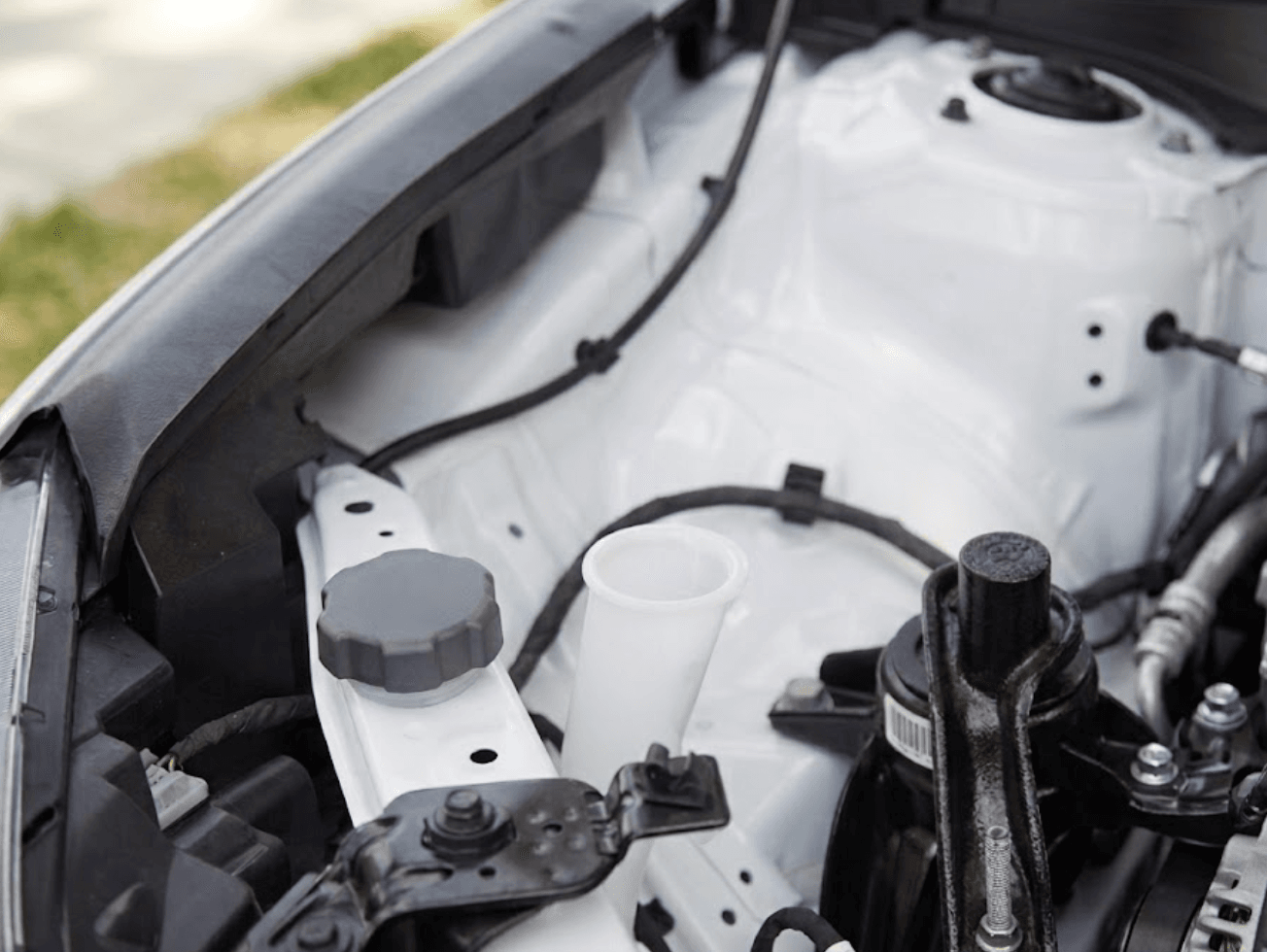
You are sitting in slow-moving Kuala Lumpur traffic when you notice the temperature gauge creeping higher than usual. As it continues to creep higher, so does your concern. You begin to wonder what the problem is and what you can do about it. Is the engine overheating? Do you need to pull over? What should you do next?
The good news is that learning how to add coolant to your car safely is relatively straightforward. In most cases, checking and topping up coolant takes only a few minutes and can help prevent overheating, especially in Malaysia’s hot and humid conditions.
This guide explains how to check coolant levels, top it up correctly, and recognise when a simple refill may not be enough. Just remember, the exact method can vary by vehicle, system and manufacturer, so you can cross-check the general advice on this page with your owner’s manual.
What coolant does and why it matters in Malaysia
Coolant has an important job to do every time you drive.
It performs three key functions:
- Removes heat from the engine
- Helps prevent corrosion inside the cooling system
- Lubricates the water pump
Malaysia’s year-round heat, heavy traffic and long-distance highway driving place constant demands on cooling systems. Without the correct coolant level and chemistry, engine temperatures can rise quickly, particularly during prolonged stop-start driving.
Safety first: never open a hot radiator
Before doing anything else, remember this rule: Never open the radiator cap or coolant reservoir when the engine is hot.
A cooling system operates under pressure. Opening the cap while the engine is hot can release scalding coolant and steam, causing serious injury. The safest time to check coolant is first thing in the morning or after the vehicle has been parked long enough for the engine to cool completely.
For routine inspections, focus on the expansion tank rather than the radiator itself.
How to check your coolant level
Find the expansion tank
Most vehicles use a translucent plastic reservoir connected to the cooling system.
Read the level cold
Park on level ground and ensure the engine is completely cool.
The coolant level should sit between the ‘Min’ and ‘Max’ marks. If it is approaching the minimum line, a top-up may be required.
Check the colour and condition
Coolant should appear bright and translucent, regardless of whether it’s red, green or another colour.
If the fluid looks cloudy, rusty, brown or contaminated, it may be time to consider changing coolant in car cooling systems rather than simply topping it up.
How to add coolant to your car, step by step
If the level is low, follow these simple steps.
Use the right coolant for your vehicle
The first step in adding coolant to car systems correctly is choosing the right product for your car.
Check your owner's manual or the label on the expansion tank. Using the wrong coolant type can reduce protection and, in some cases, cause compatibility issues.
Modern coolants generally fall into three categories:
- IAT (Inorganic Additive Technology)
- OAT (Organic Acid Technology)
- HOAT (Hybrid Organic Acid Technology)
Always use the specifications recommended by the vehicle manufacturer.
Get the ratio right
Many coolants are sold as pre-mixed products that are ready to use immediately.
Concentrated coolant requires dilution with distilled or demineralised water, if allowed by the manufacturer. This balance helps maintain corrosion protection and cooling performance
Fill to Max and recheck
Slowly add coolant until the level reaches the Max mark. Refit the cap securely, start the engine and allow it to run briefly. Once the engine has cooled again, recheck the level and top up if necessary. Be sure to only fill to the MAX mark when cold, and avoid overfilling.
>> See Motul's coolant range engineered for Malaysian conditions.
Can I add water to coolant?
When the level drops unexpectedly, many drivers ask the question: can I add water to coolant?
In an emergency, distilled or demineralised water can be used temporarily if proper coolant is unavailable, but the system should be restored to the correct coolant mixture as soon as possible (check your owner’s manual or coolant product label). However, water alone does not provide the corrosion protection, lubrication or boiling-point performance offered by proper coolant.
How to know if coolant is leaking
A cooling system should not require frequent top-ups. If the coolant level continues to fall, the driver should not keep topping up without checking for a leak. It is important to understand how to know if coolant is leaking.
Common warning signs include:
- A sweet smell from the engine bay
- Green, orange or pink fluid beneath the vehicle
- A temperature gauge that rises unexpectedly
- Steam from under the bonnet
- Repeated low coolant readings
If any of these symptoms appear, arrange an inspection before the problem becomes more serious.
Changing coolant in your car: top-up versus full flush
Not every cooling system issue requires a complete coolant replacement.
When a top-up is enough
A simple top-up is usually sufficient when:
- The coolant level is slightly below Min
- The coolant remains bright and clean
- No leaks are present
- The coolant is still within its recommended service life
How to flush coolant and when to do it
Knowing how to flush coolant is useful, but many first-time DIY owners prefer to have the procedure completed by a workshop. A coolant flush removes old fluid, contaminants and deposits before replacing them with fresh coolant.
Most manufacturers recommend changing coolant in cars every 2–5 years or approximately 40,000–100,000km, depending on the vehicle and coolant type.
Always follow the manufacturer’s maintenance schedule, and if this is your first time flushing coolant, consider taking your vehicle to a workshop.
How Motul protects your cooling system in Malaysia
Malaysia’s climate demands reliable cooling performance throughout the year.
Motul coolants are formulated to help manage sustained operating temperatures while providing corrosion protection for critical cooling-system components.
To reduce confusion during servicing, Motul clearly identifies coolant technologies and specifications, making it easier to select a product compatible with your vehicle's requirements.
From daily driving through city traffic to regular long-distance travel, the correct coolant helps support consistent engine temperatures and reliable operation.
Frequently Asked Questions
How often should I top up my coolant?
Under normal conditions, coolant should not require regular topping up. If levels drop frequently, inspect the system for leaks.
How much coolant does my car need?
Cooling-system capacity varies by vehicle. Check your owner’s manual for the exact specification.
Can I mix different colours of coolant?
Colour alone does not determine compatibility. Always check the coolant specification before mixing products.
How long does coolant last in Malaysia?
Most modern coolants last between 2-5 years, depending on formulation, vehicle requirements, and operating conditions.
What if my coolant keeps disappearing?
If coolant levels continue to fall, investigate immediately. Persistent coolant loss often indicates a leak or cooling-system fault and should not be ignored.