How to Change Transmission Fluid
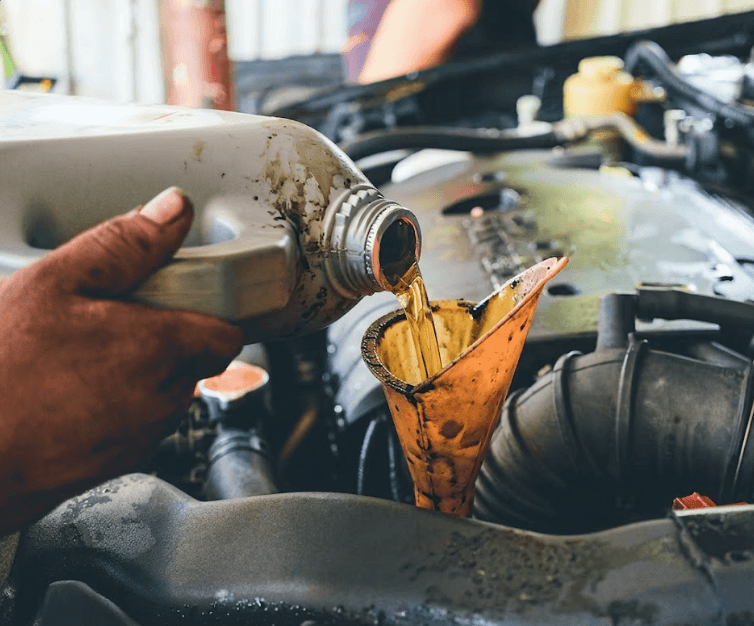
A transmission fluid change is a key part of maintaining smooth, reliable vehicle performance. From heavy traffic to higher speeds, your transmission depends on clean fluid to operate correctly.
Transmission fluid lubricates internal components, manages heat and allows gears to engage smoothly. As it degrades, you may begin to feel changes in how the vehicle shifts. Gear changes can feel slower, less precise or slightly uneven.
Our general guide for understanding how to change transmission fluid will help you maintain consistent performance and protect the transmission over time, while it is worth referring back to your owner’s manual, as exact processes will vary between vehicle, system and manufacturer.
You can explore Motul products to find fluids suited to your vehicle.
Why transmission fluid changes are important
Transmission systems operate under constant load, with multiple moving parts working together.
Preventing transmission wear
Fresh fluid forms a protective layer between gears, clutches and bearings. As fluid ages, it loses its lubricating properties. This increases friction between components, leading to wear. You may hear a slightly rougher sound during gear changes or feel less refinement when accelerating.
Regularly changing transmission fluid helps reduce this wear and extend transmission life.
Maintaining smooth gear shifts
Clean fluid ensures smooth and precise gear engagement.
You will feel:
- Consistent shifting between gears
- Reduced hesitation during acceleration
- Smoother transitions in stop-start traffic
When fluid is degraded, shifts may feel delayed or uneven. In some cases, you may notice slipping or irregular gear engagement.
When should transmission fluid be changed
Knowing when to perform a transmission fluid change helps prevent performance issues.
Manufacturer-recommended service intervals
Most vehicles require transmission fluid replacement between 50,000km and 100,000km. The exact interval depends on:
- Transmission type
- Driving conditions
- Manufacturer recommendations
Frequent driving in traffic or high temperatures, common in Malaysia, may require shorter intervals.
Signs transmission fluid may need changing
You may need an automatic transmission fluid change if you notice:
- Delayed or rough gear shifts
- Slipping gears
- Dark or burnt-smelling fluid
- Unusual noises during shifting
If gear changes feel inconsistent or the transmission sounds strained, the fluid may no longer be effective.
Tools and materials needed for a transmission fluid change
Using the correct tools ensures the process is carried out safely.
Basic tools for draining transmission fluid
You will need:
- Drain pan
- Socket set
- Funnel
- Protective gloves
- Clean cloths
Some vehicles may require additional tools depending on the design.
Choosing the correct transmission fluid
Always use the specification recommended by your vehicle manufacturer.
Transmission fluids vary in:
- Viscosity
- Additive composition
- Compatibility with transmission systems
Using the correct fluid ensures proper lubrication, heat control and smooth operation.
You can find your Motul oil to match your vehicle’s requirements.
How to change transmission fluid
Exactly how do you change transmission fluid? Below is a general guide. Always refer to your vehicle manual for more specific instructions as the process can vary between vehicle, system and manufacturer.
Prepare the vehicle safely
- Park the vehicle on a level surface
- If lifting is required, use proper supports. Ensure the vehicle is stable before working underneath
- Allow the transmission to cool slightly before starting
Drain the old transmission fluid
- Place a drain pan beneath the transmission
- Remove the drain plug or transmission pan, and allow the fluid to drain completely (note: not all vehicles have a drain plug)
You may notice the fluid appears darker and thinner than new fluid. This reflects heat exposure and contamination.
Replace the transmission filter if applicable
Some—but not all—transmissions have a serviceable filter. If accessible, replace it during the fluid change. This helps maintain fluid cleanliness and system efficiency. Remember, a transmission flush is not suitable for every vehicle or service history. If unsure, consult a professional.
Refill with fresh transmission fluid
- Refill the system through the dipstick tube or designated fill port
- Add fluid gradually and check levels as you go.
- Start the engine and cycle through the gears to help distribute the fluid
- Check the level again and adjust if necessary
Shifting should feel smoother and more controlled, with a more consistent response between gears.
Transmission fluid change vs transmission flush
Understanding the difference helps you choose the right service.
| Service Type | What it does | Key benefit |
| Transmission fluid change | Replaces part of the fluid in the system | Simpler, lower-cost maintenance |
| Transmission flush | Replaces nearly all fluid using specialised equipment | More complete fluid replacement |
What a transmission fluid change does
A standard transmission fluid change drains and replaces a portion of the fluid.
Some old fluid remains in the system, but the overall condition improves significantly.
What a transmission flush does
A transmission flush replaces almost all existing fluid. It uses specialised equipment to circulate new fluid through the system. This provides a more complete refresh but typically costs more.
Transmission fluid change cost
The transmission fluid change cost depends on how the service is carried out, as well as the type of transmission and fluid required.
DIY vs professional service costs
A DIY transmission fluid change can be more cost-effective, covering fluid and basic tools. However, it requires careful attention to vehicle specifications, correct fluid selection, and safe handling of used oil.
A professional service includes labour and specialised equipment, particularly when performing a full transmission flush, which increases the overall cost. In return, it offers greater precision, ensures the correct fluid is used, and helps maintain optimal transmission performance and longevity.
Factors that affect service cost
Costs vary based on:
- Transmission type
- Fluid capacity
- Labour rates
Automatic transmissions often require more fluid which may increase service cost.
Why high-quality transmission fluid matters
Fluid quality has a direct impact on transmission performance.
Advanced transmission fluid formulations
High-quality fluids are designed to:
- Maintain stable viscosity under heat
- Reduce friction between components
- Protect against wear and deposits
- Support smooth gear engagement
This results in more consistent shifting and improved durability.
Motul transmission fluid expertise
Motul develops transmission fluids for a wide range of vehicles, including modern automatic systems. The focus is on maintaining smooth shifting, protecting components and ensuring long-term reliability.
You can discover the Motul range to select the right transmission fluid for your vehicle.
Frequently Asked Questions
How often should transmission fluid be changed
Broadly speaking, most vehicles require a transmission fluid change every 50,000km to 100,000km. Always refer to your owner’s manual and follow manufacturer guidelines.
Can I change transmission fluid myself
Yes, with the correct tools and knowledge. Some vehicles are more complex and may require professional servicing.
What happens if transmission fluid is not changed
Old fluid loses its effectiveness. This can lead to rough shifting, increased wear and potential transmission damage.
How much transmission fluid does a car need
Most vehicles require between 4-12 litres, depending on transmission type and design.
How long does a transmission fluid change take
A standard transmission fluid change typically takes 1-2 hours. A full flush may take longer.