How Often Should You Change The Engine Oil in Your Car?
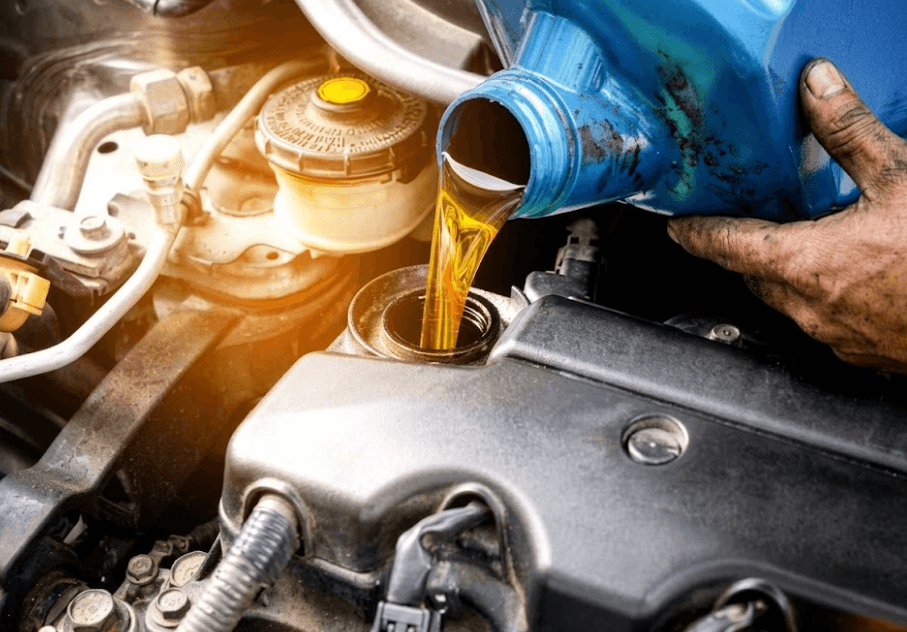
Understanding how often to change engine oil is essential for keeping your engine protected and performing consistently. Engine oil is designed to perform under constant heat and pressure. Over time, it degrades and loses its ability to lubricate and protect.
Modern engines and advanced oils allow longer service intervals than in the past. However, this does not mean oil can be left unchanged. Regular checks and timely replacement remain critical.
There isn’t a one-size-fits-all answer to the question of: how often engine oil should be changed. Below we will provide you with general guidelines to assist you in looking after your vehicle. Critical factors include your vehicle, system and manufacturer, as well as your driving conditions, and the quality of oil used. You can explore Motul products to find oils to suit your engine.
Why regular engine oil changes matter
Engine oil supports multiple functions that directly affect performance and durability.
Preventing engine wear
Oil forms a protective film between moving components such as pistons, bearings and camshafts.
This reduces friction and prevents metal to metal contact.
As oil ages, this protective layer weakens. You may begin to feel the engine running less smoothly, with slightly increased vibration or mechanical noise.
Regular oil changes help maintain consistent protection and extend engine life.
Maintaining performance and efficiency
Clean oil allows the engine to operate smoothly and efficiently. It reduces internal resistance and supports stable combustion.
When oil degrades, the engine may feel less responsive. Acceleration can feel heavier and fuel efficiency may decrease. Maintaining fresh oil helps preserve the engine’s intended performance.
Standard engine oil change intervals
The question of how often to change oil in car systems has evolved with technology.
Traditional oil change guidelines
Older guidance recommended changing oil every 5,000km. This was based on mineral oils and older engine designs, where oil degraded more quickly under heat and contamination.
Modern engine oil change intervals
Modern vehicles using synthetic oils can extend oil change intervals to 10,000–15,000 km or more.
These intervals are general guidelines only. Always follow manufacturer recommendations and consider your driving conditions.
Factors that affect how often you should change oil
Oil life is influenced by how and where you drive.
Driving conditions
Frequent short trips, stop-start traffic and extended idling can accelerate oil degradation.
In Malaysia, urban driving and high ambient temperatures increase engine load. Oil may break down faster under these conditions.
You may notice the engine feeling warmer or less smooth when oil begins to lose effectiveness.
Engine type and vehicle age
Turbocharged engines and performance vehicles operate under higher stress.
Older engines may also require more frequent oil changes due to wear and reduced sealing efficiency.
Both situations can shorten recommended oil change intervals.
Oil quality and formulation
Oil quality plays a significant role in determining change frequency.
High quality synthetic oils maintain viscosity and resist breakdown longer than lower grade oils.
This allows for more stable performance across the service interval and better protection under load.
Signs your engine oil needs changing
Even with recommended intervals, it is important to recognise when oil should be replaced sooner.
Dark and dirty oil on the dipstick
Oil naturally darkens over time. However, thick, sludgy or contaminated oil indicates degradation. If the oil feels heavy or contains visible particles, it may no longer provide effective protection.
Engine noise or rough operation
As lubrication declines, friction increases. You may hear more pronounced engine noise or feel rougher operation, especially during acceleration.
These changes in sound and feel indicate reduced lubrication performance.
Oil warning lights or service reminders
Dashboard warning lights or service indicators provide clear signals that maintenance is required. These shouldn’t be ignored, as delayed oil changes can lead to increased wear.
Checking your engine oil between changes
Regular monitoring helps maintain consistent protection.
How often to check your oil level
Typically, you should check your oil at least once a month or before long journeys, but always refer back to your owner’s manual.. Frequent checks help detect low levels or early signs of degradation.
What to look for when checking oil
Use the dipstick to assess:
- Oil level
- Colour
- Consistency
Oil should sit within the recommended range and appear smooth in texture. If levels are low, top up using the correct specification. If condition is poor, full oil change may be required.
Why using high quality engine oil matters
Oil quality directly affects engine performance and service intervals.
Performance benefits of advanced formulations
High quality engine oils are engineered to:
- Maintain stable viscosity across temperature ranges
- Reduce friction and internal wear
- Resist oxidation and thermal breakdown
- Keep engine components clean
These properties support consistent engine operation, even under demanding conditions.
Motul’s expertise in engine protection
Motul has extensive experience in lubricant development, including motorsport applications. This expertise is applied to everyday vehicles, ensuring reliable protection across a wide range of driving conditions.
Discover the range to find the right oil for your vehicle.
Why choose Motul engine oil for your car
Motul is a trusted global brand known for precision and consistency in fluid engineering. Its engine oils are developed with a focus on performance, protection and long-term reliability, and are designed to maintain smooth operation and protect critical engine components.
Frequently Asked Questions
How often should I change engine oil in a new car
Broadly, most new vehicles follow manufacturer intervals of 10,000km to 15,000km. Always refer to your owner’s manual as this can vary by vehicle, system and manufacturer.
Can synthetic oil last longer between changes
Yes. Synthetic oils are designed to resist breakdown and maintain performance over longer intervals.
Should I change oil based on time or mileage
Both are important. If mileage is low, oil should still be changed at least once a year.
What happens if I delay an oil change
Delaying oil changes can lead to increased friction, reduced performance and potential engine damage.
Does driving style affect oil change intervals
Yes. Aggressive driving, heavy loads and frequent stop-start conditions can shorten oil life and require more frequent changes.