Car Detailing Steps: What It Is and How to Do It Yourself
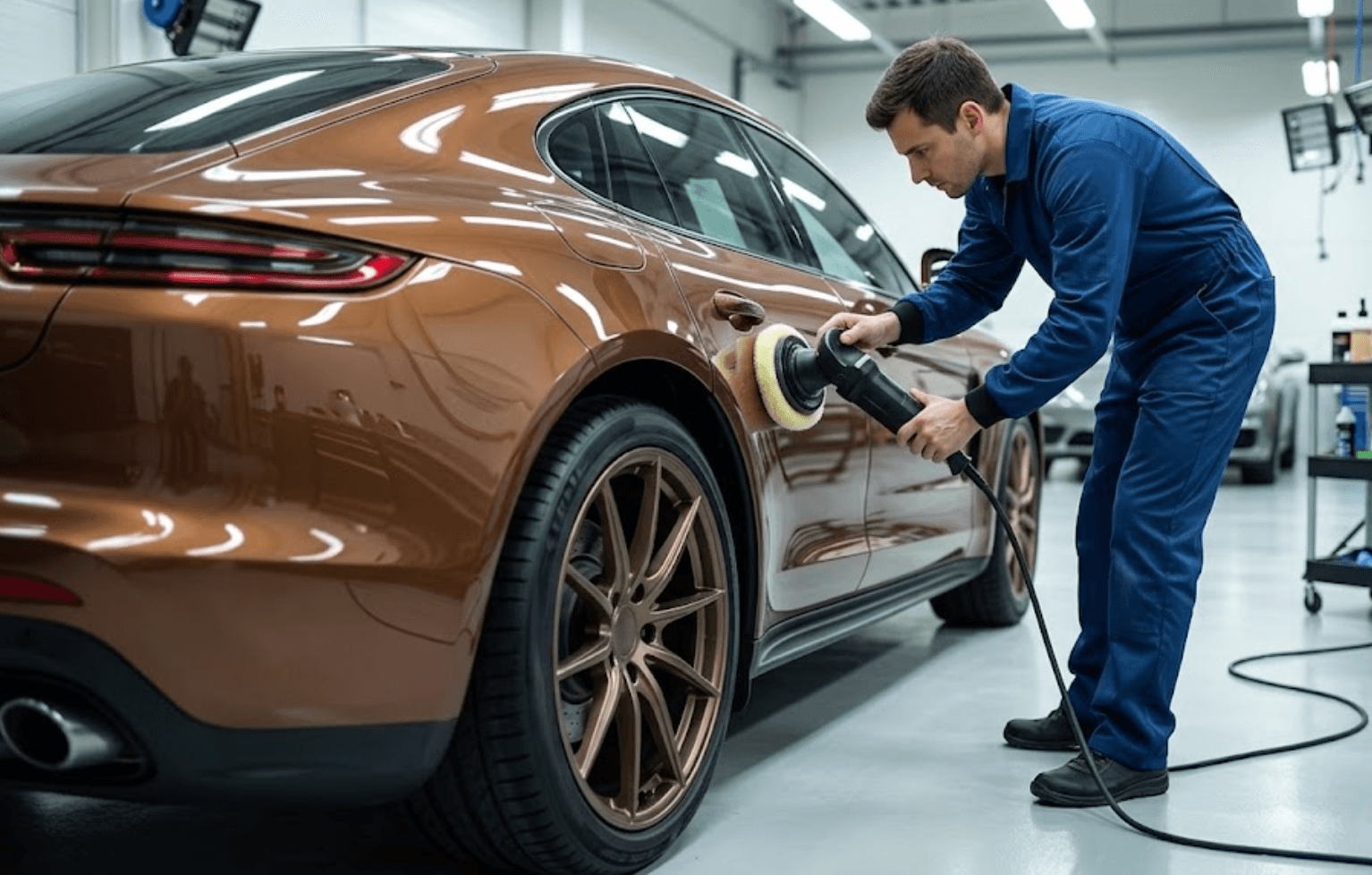
You make the effort to wash your car on a Sunday morning. It looks clean and sparkling for a moment, but after it dries, the paint still appears dull in the afternoon sun. Water spots linger on the glass, the wheels look tired and the interior never quite feels fresh.
This is exactly where detailing comes in.
A proper detail sits between a regular wash and a professional restoration service. It focuses on cleaning and protecting the surfaces that daily driving, tropical weather and monsoon rain gradually wear down. The result is a vehicle that looks better and is easier to maintain.
Car detailing definition: what does detailing actually mean?
The simplest car detailing definition is this: a thorough cleaning and protection process that covers every major surface of the vehicle, both inside and out.
Unlike a standard wash, detailing removes contaminants, cleans neglected areas and applies protective treatments that help preserve the vehicle’s appearance.
Car detailing meaning in everyday terms
The easiest way to understand car detailing is to think of it as a multi-stage process:
- Exterior wash
- Surface decontamination
- Interior deep cleaning
- Paint and surface protection
Each step builds on the previous one to create a cleaner, longer-lasting result.
Detailing versus a normal wash
A regular wash removes loose dirt from the surface.
Detailing goes further by removing bonded contaminants, cleaning hard-to-reach areas and applying protective products to paint, plastic, glass and interior surfaces. Detailing can also help maintain resale value over time.
Car detailing equipment: what you need
You do not need a professional workshop to achieve impressive results. Most of the essential car detailing steps can be completed with accessible tools and products.
Wash and decontamination
For the exterior, start with:
- Two buckets with grit guards
- Quality wash mitt
- Microfibre drying towels
- Clay bar
These tools help reduce the risk of scratching while removing contamination safely.
Paint correction and protection
For paint care, consider:
- Light polish
- Wax or paint sealant
- Foam applicator pads
A dual-action polisher can help achieve faster results but is optional for most drivers.
Interior
For interior detailing, keep the following on hand:
- Vacuum cleaner
- Soft detailing brushes
- Microfibre cloths
- Plastic or leather cleaner
- Glass cleaner
Car detailing steps for the exterior
The exterior is where the biggest visual improvements usually happen.
Always work in the shade and avoid cleaning hot panels. Products can dry too quickly on heated surfaces and leave marks behind.
Pre-rinse and snow foam
Begin with a thorough rinse to remove loose dirt.
A snow foam pre-wash helps soften contamination before any physical contact with the paint. This reduces the chance of dragging grit across the surface.
Two-bucket wash
The two-bucket method remains one of the most effective car detailing tips.
Fill one bucket with clean rinse water and the other with wash solution. Grit guards help trap dirt at the bottom of each bucket.
Wash from the roof down, cleaning the dirtiest areas last.
Dry, clay, polish, wax
Once washed:
- Dry the vehicle using microfibre towels.
- Use a clay bar to remove bonded contaminants (note: clay must be used with proper lubricant. Never use a clay bar on dry paint)
- Polish lightly to improve gloss and reduce minor imperfections.
- Apply wax or sealant for protection.
These car detailing steps help create a smoother, more protected finish.
Car detailing steps for the interior
Malaysia’s heat and humidity can be tough on interior materials. Dust, moisture, and UV exposure often show their effects inside the cabin before they appear elsewhere.
Vacuum and soft brushes
Begin by vacuuming seats, carpets, and floor mats.
Use soft brushes around vents, controls and stitching where dust tends to collect.
Plastics, leather and fabric
Use products designed specifically for each material.
Plastic trim benefits from UV protection, while leather surfaces require dedicated cleaners and conditioners to help maintain their appearance.
Glass and mirrors
Use a dedicated glass cleaner rather than an all-purpose product.
Wiping in different directions inside and outside the vehicle makes it easier to identify and remove streaks.
Wheels, tyres and engine bay
These areas often separate a quick wash from a genuine detail.
Wheels and tyres
Brake dust, road grime and moisture can quickly build up on wheels.
Use a dedicated wheel cleaner and soft brush to clean the surface safely. Finish with a tyre dressing to restore a clean, well-maintained appearance.
Engine bay (light touch)
A clean engine bay improves presentation and can make leaks easier to identify, but this is optional for everyday detailing, as opposed to a required step. .
Cover sensitive electrical components before cleaning. Use an engine bay cleaner, gentle agitation and a low-pressure rinse. Ensure everything is fully dry before driving. Avoid pressure washers, avoid spraying directly at electrical components, and remove any covers before starting or driving.
>> Browse Motul's maintenance and care range for cleaners, protectants and finishing products
How much to detail a car in Malaysia: cost and frequency
Many drivers researching how much to detail a car are surprised by the range of options available in Malaysia.
Average cost of car detailing
The average cost of car detailing in Malaysia varies according to vehicle size and service level.
A basic professional detail may start around RM150 to RM300, while more comprehensive packages can range from RM500 to RM1,500 or more.
For DIY enthusiasts, the primary investment is time and quality products.
How often should you detail?
For most Malaysian vehicles:
- Light detail: once per month
- Full detail: every 3-6 months
Car detailing tips from the Motul workshop
A few simple habits can significantly improve results.
Top down, panel by panel
Always work from the highest panels downward. This prevents dirt from contaminating areas you have already cleaned.
Colour-code your microfibres
Use separate cloths for paint, glass and interior surfaces.
This simple habit reduces cross-contamination and helps protect delicate finishes.
Protect what you cleaned
Cleaning is only half the process. Wax, sealants and UV protectants help preserve the finish for longer.
Frequently Asked Questions
What is the difference between car detailing and car valeting?
Valeting typically focuses on cleaning and presentation. Detailing generally includes deeper cleaning, surface correction and protective treatments.
Can I detail my car at home without professional tools?
Yes. Most car detailing steps can be completed using basic equipment and quality products.
How long does a full car detail take?
A thorough DIY detail typically takes between 3 and 6 hours depending on vehicle size and condition.
What is the average cost of car detailing in Malaysia?
The average cost of car detailing generally ranges from RM 150 to RM1,500 depending on the service level and vehicle type.
How often should I wax or seal my car in Malaysia?
For vehicles regularly exposed to sun and rain, applying protection every few months helps maintain appearance and surface protection.