Can You Mix Engine Oils? What Drivers Should Know
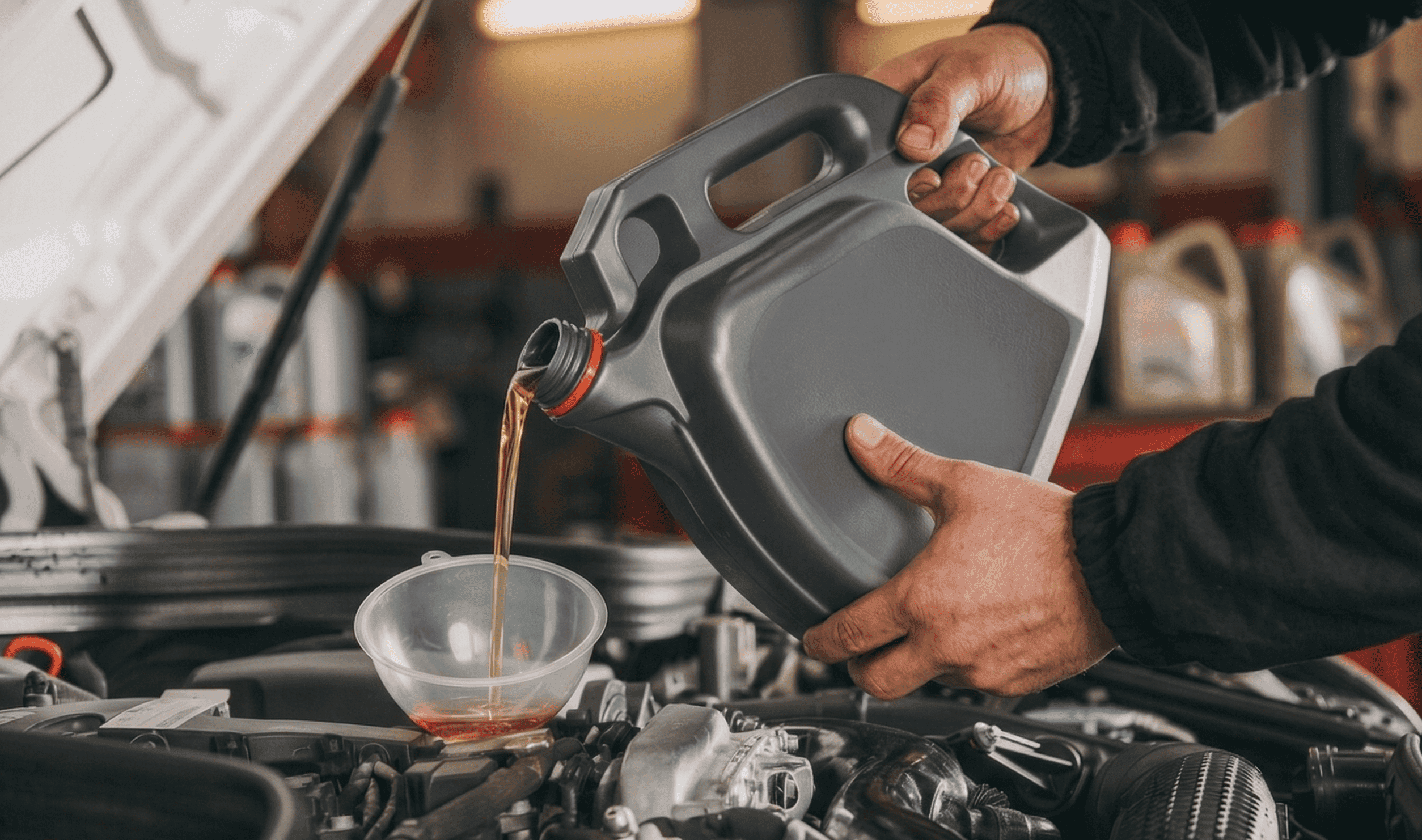
It is a common situation. You check your oil level and find it low, but the only oil available is different from what is already in your engine. At that point, you might be wondering if you can mix engine oils safely.
The short answer is while mixing engine oil can sometimes be done, it is not ideal. Consider it a temporary top-up situation only, not normal practice, Although modern oils are designed to meet industry standards, differences in formulation can affect performance.
If you need to top up, it is important to understand when mixing is acceptable and when it may impact how your engine feels, sounds and performs over time. Below, we will look more broadly at the question: Is it ok to mix engine oil?
You can explore products to find the correct oil for your vehicle.
Can you mix different engine oils?
Many drivers ask: can you mix different engine oils without causing damage? In most cases, engine oils are compatible at a basic level, but that does not mean they will perform optimally when combined. It is of course helpful to always refer back to your owner’s manual—specifics will vary between vehicle, system and manufacturer.
Mixing different oil brands
Most engine oils meet recognised industry specifications. This means you can usually mix small amounts without immediate harm.
However, each brand uses its own additive package. These additives control cleaning, wear protection and temperature stability.
When mixed, these formulations may not work together as intended. The engine may still run, but you could notice a slight change in smoothness or responsiveness over time.
Mixing different oil viscosities
Viscosity refers to the thickness of the oil. Combining different grades, such as 5W-30 and 10W-40, changes the overall viscosity.
This can affect how the oil flows through the engine. You may notice:
- Slightly slower lubrication on cold start
- Changes in engine sound under load
- Less consistent performance at high temperatures
Maintaining the correct viscosity ensures the engine feels smooth and operates within its designed range.
Is it bad to mix engine oil?
If you’re in a pinch, occasionally mixing oil is unlikely to cause immediate damage, but repeated mixing is not recommended.
Additive compatibility concerns
Engine oils contain carefully balanced additive systems. These include detergents, dispersants and anti-wear agents.
When different oils are combined, these additives may interact in unpredictable ways. This can reduce their effectiveness and lead to less efficient protection.
Reduced oil performance
Mixing oils can affect:
- Thermal stability
- Lubrication consistency
- Deposit control
Over time, this may result in increased engine noise, less stable performance and faster oil degradation.
For consistent results, it is always better to use a single oil specification.
When mixing engine oil may be acceptable
There are situations where the question of ‘can I mix engine oil’ becomes a practical one rather than a theoretical one.
Emergency oil top-ups
If your oil level is low, topping up with a compatible oil is better than running the engine with insufficient lubrication. Low oil levels can lead to immediate damage due to increased friction and heat.
In this case, mixing a suitable oil temporarily is the safer option.
Using similar viscosity grades
If you need to top up, choose an oil with a similar viscosity rating.
For example, topping up 5W-30 with another 5W-30 oil helps maintain consistent flow characteristics.
This reduces the impact on engine feel and performance until you can perform a full oil change.
What types of engine oils should not be mixed
While some mixing is acceptable, certain combinations should be avoided where possible.
Different oil technologies
Engine oils are available as mineral, semi synthetic and fully synthetic formulations.
While they can technically mix, combining them unnecessarily may reduce the performance benefits of higher quality oils.
For example, mixing synthetic oil with mineral oil can lower overall thermal stability and protection.
Oils with different specifications
Oils are designed to meet specific manufacturer standards.
Using oils with different specifications may affect how the engine is protected, especially in modern engines with precise requirements.
This is particularly important for turbocharged or high performance engines, where lubrication demands are higher.
Best practices when topping up engine oil
If you need to add oil, following best practices helps maintain engine protection.
Always check your recommended oil specification
Refer to your owner’s manual or the oil cap to confirm the correct oil type.
Using the correct specification ensures:
- Proper lubrication
- Stable engine performance
- Compatibility with engine components
Discover the Motul range to identify suitable options.
Replace with the correct oil as soon as possible
If you have mixed oils, treat it as a temporary solution.
Plan a full oil change as soon as practical. This restores the correct formulation and ensures consistent protection.
Why using high quality engine oil matters
Oil quality plays a key role in how your engine performs over time.
Advanced lubricant formulations
High quality engine oils are made to:
- Maintain stable viscosity under heat
- Reduce friction and wear
- Resist oxidation and breakdown
- Keep internal components clean
This helps the engine run smoothly, with consistent sound and response across different driving conditions.
Motul expertise in lubrication technology
Motul develops engine oils using advanced formulation techniques and extensive testing. These oils are designed to perform under demanding conditions, including high temperatures and stop start driving common in Malaysia.
You can explore Motul products to find the right oil for your vehicle.
Frequently Asked Questions
Can I mix synthetic and conventional engine oil
Yes, in small amounts if necessary. However, this may reduce the performance benefits of synthetic oil.
What happens if I mix different oil brands
The engine will usually operate normally, but differences in additives may reduce overall efficiency and protection.
Can mixing oils damage my engine
Occasional mixing is unlikely to cause immediate damage. Long term mixing may reduce protection and increase wear.
Is it safe to mix engine oil viscosities
It can be done in small amounts, but it may affect oil flow and performance. Using the correct viscosity is always recommended.
Should I change my oil after mixing different oils
A full oil change typically helps restore the correct formulation and ensures consistent engine protection, though it may not be essential in every case. Consult your owner’s manual and if unsure, seek professional advice.