What Do Engine Oil Numbers Mean?
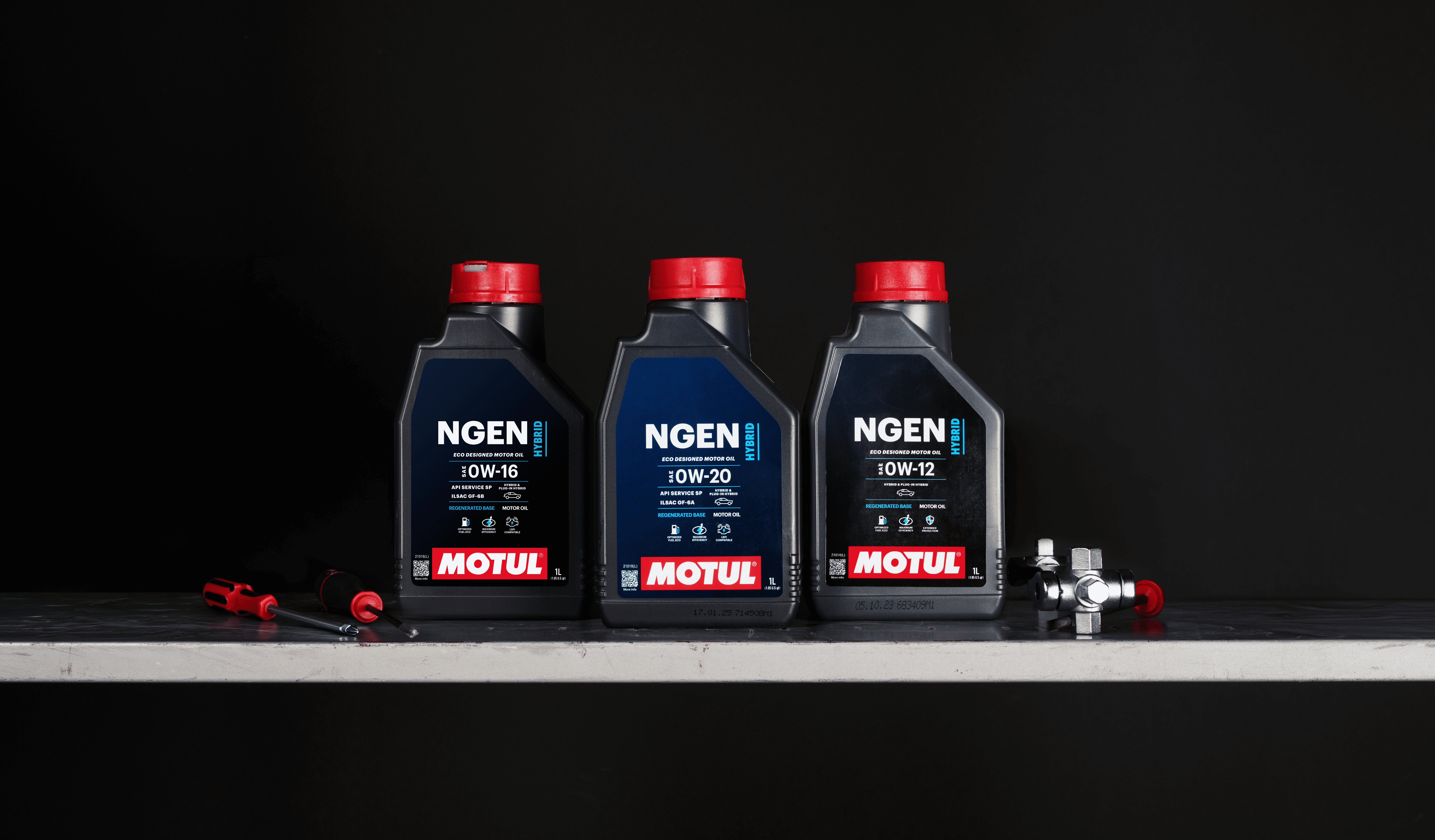
If you’ve ever stood in a workshop or oil aisle wondering exactly ‘what do engine oil numbers mean’, you’re not alone. Labels like 5W-30 or 10W-40 look technical, but they’re actually a simple guide to how oil behaves at different temperatures. Those numbers directly affect how your engine feels on start-up, how it sounds under load, and how well it’s protected in daily driving.
In short, engine oil numbers describe viscosity—how easily oil flows when it’s cold and how well it maintains protection when the engine is hot.
Engine oil numbers explained simply
Let’s break down a common example: 5W-30
| Oil grade | What it means | Real-world effect |
| 5W | Cold-start viscosity | Faster flow on start-up, less wear |
| 30 | Hot-temperature viscosity | Stable protection at operating temperature |
This system applies to all multi-grade oils, and once you understand it, your search for a simple ‘engine oil numbers explained’ solution becomes straightforward.
First number: cold temperature performance
The first number (before the ‘W’) shows how the oil flows when the engine is cold. Lower numbers like 0W or 5W flow more easily, helping oil reach vital parts faster at start-up. That means quieter starts, less friction and reduced wear — especially important if your car sits overnight or does lots of short trips.
What does the ‘W’ mean in engine oil?
The ‘W’ stands for ‘winter’, not weight. It indicates cold-temperature performance. Even in Malaysia’s warm climate, this still matters because engines experience the most wear in the first few seconds after starting.
Second number: high temperature performance
The second number (such as 30 or 40) shows how thick the oil remains once the engine is fully hot. Higher numbers provide a stronger protective film under heat and load, which can be important for heavier vehicles, older engines, or spirited driving.
Why oil viscosity matters
Oil viscosity affects how your engine feels, sounds and lasts over time.
Performance in cold climates vs. hot climates
In very cold regions, a 0W-30 oil flows quickly at low temperatures, protecting the engine immediately. In hotter environments, a 10W-40 oil may offer better stability under sustained heat. In Malaysia, the focus is usually on maintaining protection in traffic, heat and humidity rather than extreme cold.
Daily driving vs. high-performance engines
A daily commuter stuck in heavy stop-start KL traffic benefits from an oil that flows quickly and resists breakdown. A high-performance engine, on the other hand, needs oil that stays strong at high temperatures and revs, keeping the engine sounding tight and responsive when pushed.
>> Learn more: Engine oil viscosity explained
How to choose the right oil for your vehicle
Understanding the meaning of engine oil numbers is useful — but those numbers must always match your vehicle’s requirements.
Check your owner's manual or cap label
Start with:
- Your owner’s manual
- The oil filler cap under the bonnet
- Service documentation
These usually specify the recommended viscosity, such as 5W-30 or 10W-40.
Use the Motul Oil Finder
For a definitive answer, Motul’s Oil Finder matches your car’s make, model and engine to the correct oil grade and formulation. It removes guesswork and ensures the viscosity you choose delivers the protection your engine was designed for.
>> Check out Motul engine lubricants
Motul’s approach to oil engineering
Motul doesn’t just meet viscosity standards—it engineers oils to perform consistently across real-world conditions.
Balanced viscosity for protection and performance
Motul formulations are designed to maintain optimal flow when cold and strong film strength when hot. That balance keeps engines feeling smooth, sounding refined and protected, whether you’re cruising on a long drive or crawling in traffic.
Proven in motorsport and daily driving
From motorsport circuits to everyday roads, Motul oils are tested under extreme heat and pressure. That same technology benefits daily drivers, family cars and performance vehicles alike.
Frequently Asked Questions
Is 5W-30 better than 10W-40?
Not universally. It depends on what your engine is designed to use. Always follow manufacturer recommendations.
Can I switch to a different oil grade?
Only if it meets your vehicle’s specifications. Switching without guidance can reduce protection.
Does synthetic oil have different numbers?
No, the numbering system is the same, but synthetic oils usually maintain viscosity better under heat and stress.
What happens if I use the wrong viscosity?
Too thick or too thin oil can increase wear, reduce efficiency and affect engine longevity.
How often should I check oil viscosity?
Check it whenever you change oil, and always confirm you’re using the correct grade for your engine