How to Spot Fake Engine Oil: Protecting Your Engine from Counterfeits
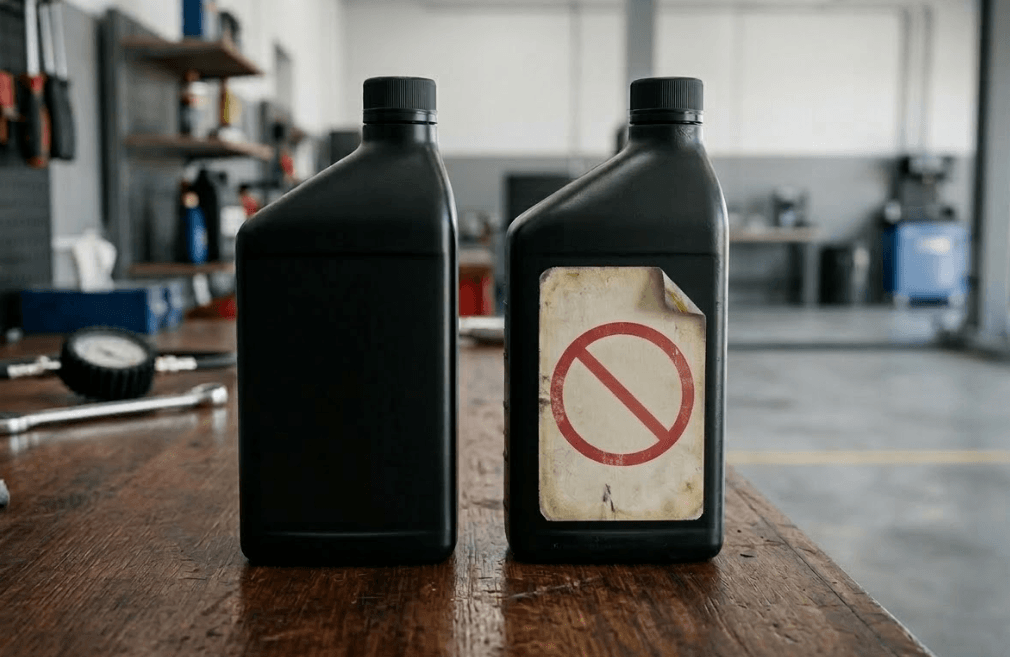
Counterfeit engine oils are an increasing problem in some markets, putting engines at serious risk. Using unverified lubricants can lead to accelerated wear, overheating, or even complete engine failure. Choosing a trusted brand like Motul ensures your vehicle gets the protection it deserves. With Motul’s global presence, verified supply chain, and batch traceability, car owners can feel confident in their lubricant choice.
Why counterfeit engine oil is dangerous
Fake engine oil lacks proper quality controls and can contain substandard base oils or missing additives. Using it can compromise engine performance and longevity. Even short-term use may leave deposits, damage seals, or reduce the oil’s ability to lubricate critical components.
What’s inside fake engine oil
Counterfeit oils often use cheap or contaminated base stocks. Additives may be absent or incorrectly formulated, reducing protection against wear, heat, and deposits. Some fakes may even include recycled or expired oil, which increases oxidation and sludge formation inside your engine.
Fake engine oil effects on performance
Symptoms include unusual engine noises, sluggish acceleration, overheating, or a decrease in fuel efficiency. In worst-case scenarios, prolonged use can result in catastrophic engine failure. Engines with turbochargers or high-performance components are particularly vulnerable, as counterfeit oils cannot maintain stable viscosity under extreme conditions.
Key signs of fake engine oil packaging
Visual inspection is the first defence against fake engine oil. Look out for these packaging cues.
Label misprints or poor-quality stickers
Check for blurry fonts, off-colour printing, inconsistent logos, or spelling errors. Genuine Motul products always feature crisp, precise labels. Even subtle inconsistencies, like a slightly different shade of red or a misaligned logo, can indicate a fake.
Tampered or loose caps
Counterfeit caps may feel flimsy, have inconsistent threading, or show signs of prior tampering. Authentic Motul bottles are sealed tightly with uniform, secure caps that ensure product integrity.
Missing batch numbers or QR codes
Legitimate Motul oils include traceable batch numbers and QR codes for verification. If they’re absent, blurred, or printed inconsistently, it’s a red flag. These codes are crucial for checking the oil’s production date and authenticity before use.
How to test oil quality visually
Even before pouring, you can spot potential fakes by taking a careful look at the oil itself.
What genuine engine oil should look like
Motul oils are golden to light amber, smooth, and consistent in texture. The colour and clarity should be uniform.
Signs of contamination or inconsistency
Chunky, watery, thickened or discoloured oil is a red flag. If it smells rancid or unusually strong, it may be counterfeit. In some cases, fake oil can appear unusually thin or runny because of improper blending, which severely reduces its ability to coat engine components.
Where fake oil is most commonly found
Counterfeit oil is often sold through unofficial channels:
- Unknown online marketplaces
- Unverified local shops
- Products that are priced suspiciously lower than market value
Always buy from verified distributors to avoid risk. Remember, convenience or a ‘too good to be true’ price can come at the cost of engine safety.
How Motul protects customers from fakes
Motul’s global supply chain and strict packaging standards make counterfeits easy to spot and trace.
Official distributor network
Use Motul’s verified dealer locator or authorised resellers to ensure genuine products.
>> See Motul’s official distributors in Malaysia
How to check if your Motul product is genuine
Check QR codes, batch numbers and consult Motul if in doubt. Scanning the QR code or contacting customer service confirms authenticity before use. Motul also provides visual guides on packaging to help spot counterfeits at a glance.
What to do if you suspect fake engine oil
- Do not use the product on your vehicle
- Report it to the seller and to Motul
- Seek professional advice from a mechanic before driving
Taking these steps can prevent expensive engine repairs and protect your vehicle’s performance.
Frequently Asked Questions
What happens if I use fake engine oil?
It can reduce engine protection, accelerate wear, and in extreme cases, cause engine failure.
How can I verify engine oil is genuine?
Use batch numbers, QR codes, and authorised Motul distributors.
Is fake oil common in certain regions?
Yes, it’s more prevalent in markets with limited regulation or through unofficial online sellers.
Can fake oil be fixed or improved with additives?
No—once oil is counterfeit, its base and additive package are compromised. Replacing with genuine oil is essential.
Does fake oil look and smell different?
Often yes. Look for unusual colour, cloudiness, chunks, and off-odours.