How to Change Brake Fluid
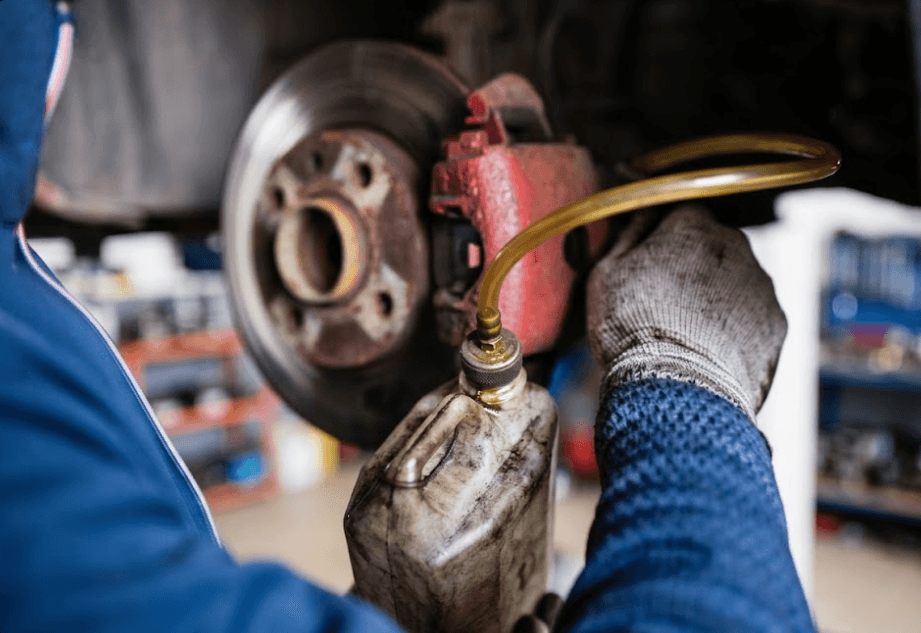
A brake fluid change is a critical part of routine vehicle maintenance. It directly affects how your vehicle slows, stops and responds under pressure.
When you press the brake pedal, you expect a firm, consistent feel. That response comes from clean brake fluid transferring force through the system. Over time, the fluid degrades. Moisture builds. Performance drops.
This general guide to knowing how to change brake fluid will help you maintain control, protect components and keep braking predictable. Whether you plan to do it yourself or simply would like to understand the process ahead of a service, this guide offers a clear overview.
And when you need to replace brake fluid, using the right product matters. You can explore Motul’s range to find suitable options.
Why brake fluid changes are important
Brake fluid operates under pressure and heat. It must remain stable while transmitting force instantly.
Moisture contamination in brake fluid
Brake fluid is hygroscopic. It absorbs moisture from the air over time.
In Malaysia’s humid climate, this happens faster. Even sealed systems allow small amounts of moisture through hoses, seals and servicing.
As moisture increases:
- Boiling point drops
- Vapour bubbles can form
- Brake pedal feel softens
You may feel reduced firmness or a slight delay in response. Under load, braking can become less reliable.
Moisture also causes internal corrosion in brake lines, calipers and master cylinders, increasing repair costs.
Maintaining braking performance
Fresh brake fluid restores system performance. You get:
- A firm, consistent pedal
- Stable response under repeated braking
- Better resistance to heat
You can feel it immediately. The response is direct and controlled, with a tighter, more consistent sound under pressure.
When should brake fluid be replaced
Knowing when to perform a brake fluid change helps avoid performance loss.
Manufacturer recommended service intervals
Most manufacturers recommend replacing brake fluid every two years or according to the service schedule. This applies even with low mileage. Time affects fluid condition as much as use.
Always check your owner’s manual, as timelines and methods can vary by vehicle, system and manufacturer.
Signs brake fluid may need changing
You may need to replace brake fluid sooner if you notice:
- Soft or spongy pedal feel
- Dark or cloudy fluid
- Reduced braking response
- Longer stopping distances
If the pedal feels inconsistent or the braking response sounds strained, the fluid is likely degraded.
Tools and materials needed to change brake fluid
Proper tools ensure a safe and effective process.
Basic tools for brake fluid replacement
You will need:
- Brake bleeder kit or vacuum bleeder
- Spanner or wrench set
- Clear tubing
- Container for old fluid
- Protective gloves and eye protection
- Clean cloths
Brake fluid can damage painted surfaces, so work carefully.
Choosing the correct brake fluid
Always use the specification recommended for your vehicle, such as DOT 3, DOT 4 or DOT 5.1 (warning: do not confuse DOT 5 with DOT 5.1). Each type offers different boiling points and performance levels.
High quality fluid provides:
- Greater heat resistance
- Lower moisture absorption
- Improved system protection
Discover your oil and correct brake fluid specification for your vehicle.
How to change brake fluid
This step-by-step process outlines a typical brake fluid change. Remember to always follow your vehicle manual for specific details as this process can vary between vehicle, system and manufacturer.
Prepare the vehicle and locate the brake fluid reservoir
- Park on a flat surface and secure the vehicle
- Open the bonnet and locate the brake fluid reservoir (usually at the rear of the engine bay)
- Clean the area around the cap before opening
Drain old brake fluid from the system
- Remove fluid from the reservoir using a syringe or pump
- At each wheel, starting furthest from the master cylinder, attach clear tubing to the bleeder valve
- Open the valve and pump the brake pedal to push out old fluid
Refill with fresh brake fluid
- Refill the reservoir with fresh brake fluid
- Do not allow it to run dry (this introduces air into the system)
- Top up continuously during the process
Bleed the brake lines
Bleeding removes trapped air (the correct bleeding sequence depends on the vehicle manufacturer). Pump the pedal while monitoring fluid flow through the tubing. Continue until:
- Fluid runs clear
- No air bubbles appear
Tighten the valve before releasing the pedal. Repeat for each wheel in sequence, and once complete, check the reservoir and secure the cap.
Finish off by pressing the brake pedal several times. It should feel firm and consistent, with a stable, controlled response.
It is important to be aware that pedal pumping is not the standard method for every car. Always consult your owner’s manual. If unsure, seek professional advice.
Additionally, some ABS/ESC systems may require a workshop procedure or scan tool.
Brake fluid change cost
The brake fluid change cost varies depending on how the service is carried out.
DIY vs professional service costs
A DIY brake fluid change is relatively low cost, covering fluid and basic tools.
A professional service costs more due to labour, but ensures correct handling and disposal.
Factors that affect brake fluid service cost
Costs depend on:
- Vehicle type and system complexity
- Labour rates
- Brake fluid specification
More advanced systems may require additional time and expertise.
Why high quality brake fluid matters
Brake fluid performance varies under heat and pressure.
Advanced brake fluid formulations
High quality fluids are designed to:
- Maintain high boiling points
- Resist moisture absorption
- Protect internal components
This supports consistent braking in high temperature conditions such as heavy traffic.
Motul brake fluid expertise
Motul develops brake fluids focused on performance and reliability.
Used in road vehicles and motorsport, these formulations maintain stability under load. This supports consistent braking feel and long term system protection.
You can explore the range to select the right fluid for your vehicle.
Frequently Asked Questions
How often should brake fluid be changed
Generally, most vehicles require a brake fluid change every two years. Follow manufacturer guidelines, and always refer to your owner’s manual.
Can I change brake fluid myself
Yes, with correct tools and an understanding of the process. If unsure, use a professional service.
What happens if brake fluid is not replaced
Moisture builds, reducing braking efficiency, lowering boiling point and causing corrosion.
How much brake fluid does a car need
Most vehicles require between 0.5L and 1L. Check your specifications.
How long does a brake fluid change take
Typically 30-60 minutes, depending on system complexity.